


 05 Aug 2026
How To Decide If An IBDP Is The Right Senior Secondary Path
29 Jul 2026
The question usually arrives quietly.
Not on the day the board examinations end. Not even when the results are declared.
It often begins on an ordinary evening when someone asks, "So... what comes next?"
Parents start reading. Students start comparing schools. Friends share opinions that sound convincing until someone else says the exact opposite. Before long, every curriculum seems to promise the same thing: better opportunities, stronger academics, brighter futures.
That is why conversations around IBDP schools in Pune have become much more common in recent years. Families are no longer looking only for a school. They are looking for a place where their child will genuinely enjoy learning for the next two years.
The International Baccalaureate Diploma Programme, or the IBDP, is often the right choice for students who enjoy asking questions, making connections between subjects, and taking ownership of their learning rather than relying solely on textbooks. The decision, however, should begin with the student, not the syllabus.
At Wellington College Pune, we have met many families who arrive expecting us to compare curricula. The conversation usually takes a different turn. We begin by talking about the learner. Surprisingly, that often answers the bigger question.
The Best Clue Is Probably Sitting At Your Dining Table
Parents sometimes search for the "right curriculum" while overlooking the person it is meant for.
Rarely through direct instruction. More often, it comes from hearing the word repeatedly in conversation, trying it out, perhaps getting it slightly wrong, then trying again.
Think about your own child for a moment.
When they come home after school, what do they talk about?
Do they remember marks? Or do they tell you about an interesting classroom discussion? Do they enjoy reading something simply because it caught their attention? Have they ever challenged an idea, not to argue, but because they were genuinely curious?
These moments matter.
A student who enjoys exploring ideas often responds differently to learning than someone who prefers a fixed routine with clearly defined answers. Neither approach is wrong. They simply point towards different academic environments.
That is one reason families exploring IBDP schools in Pune should spend less time asking, "Which curriculum is better?" and more time asking, "Which environment will help my child flourish?"
The IBDP Doesn't Expect Students To Know Everything
One misconception refuses to disappear.
Many people assume the IBDP is only for students who have always been at the top of their class.
Our experience suggests otherwise.
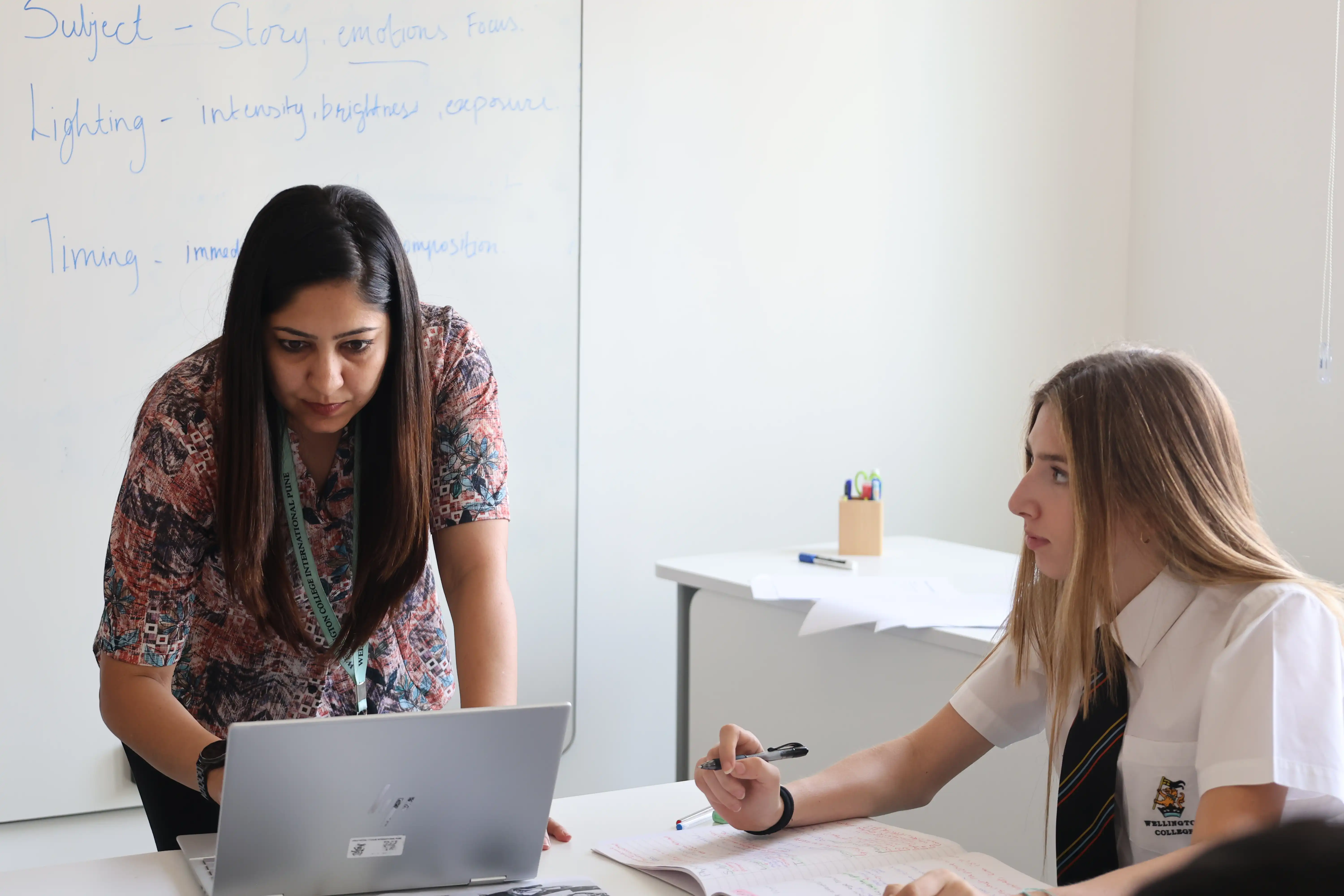
Students who do well in the programme are not necessarily the ones who have all the answers. More often, they are the ones who are comfortable searching for answers. They are willing to revisit their work, improve it, ask for feedback, and occasionally admit that they were wrong.
That may sound like a small difference.
It isn't.
Those habits shape the way students learn long after school is over.
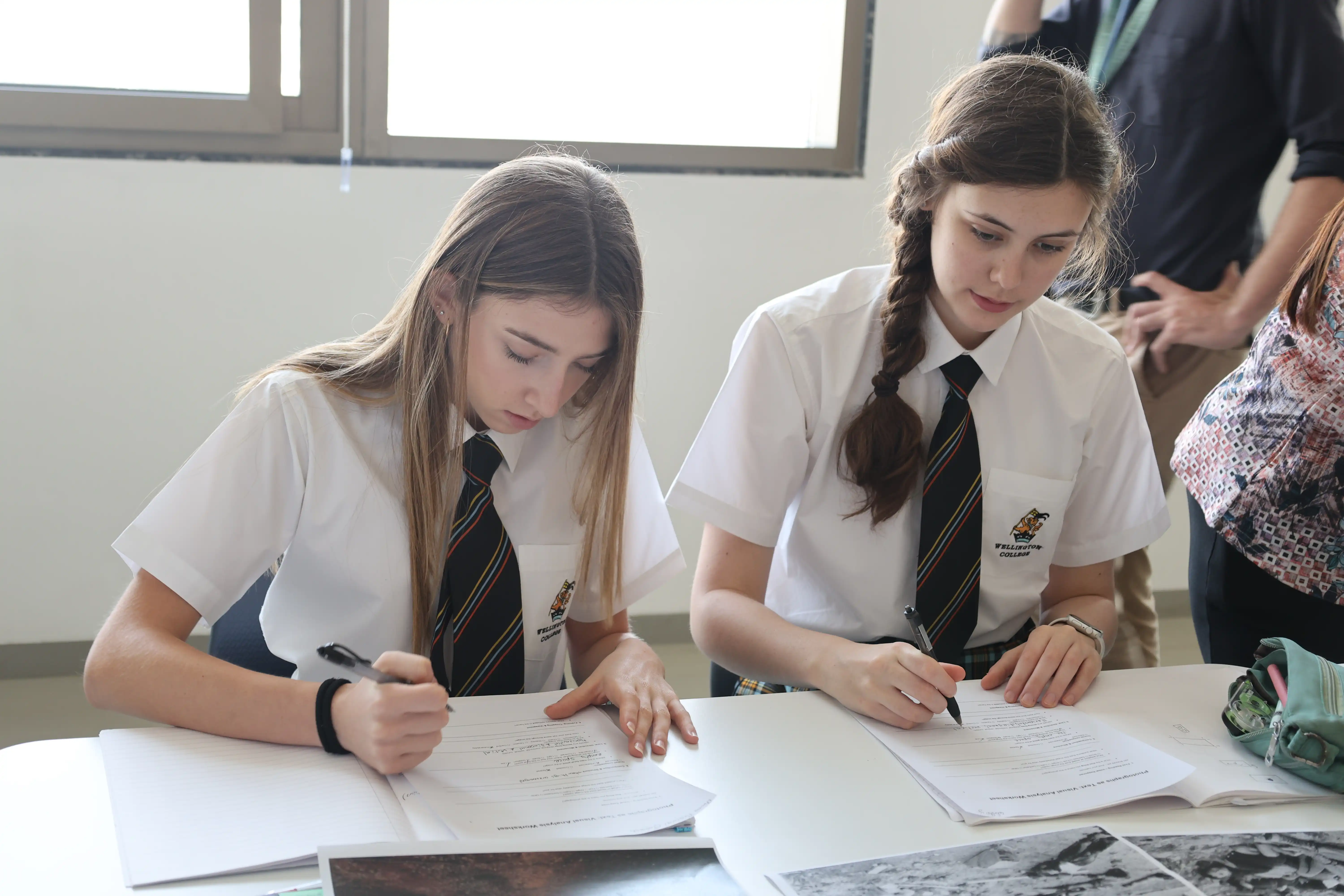
A Classroom Feels Different When Curiosity Is Welcome
Imagine two lessons.
In one classroom, the teacher explains a topic, students make notes, and everyone prepares for the next assessment.
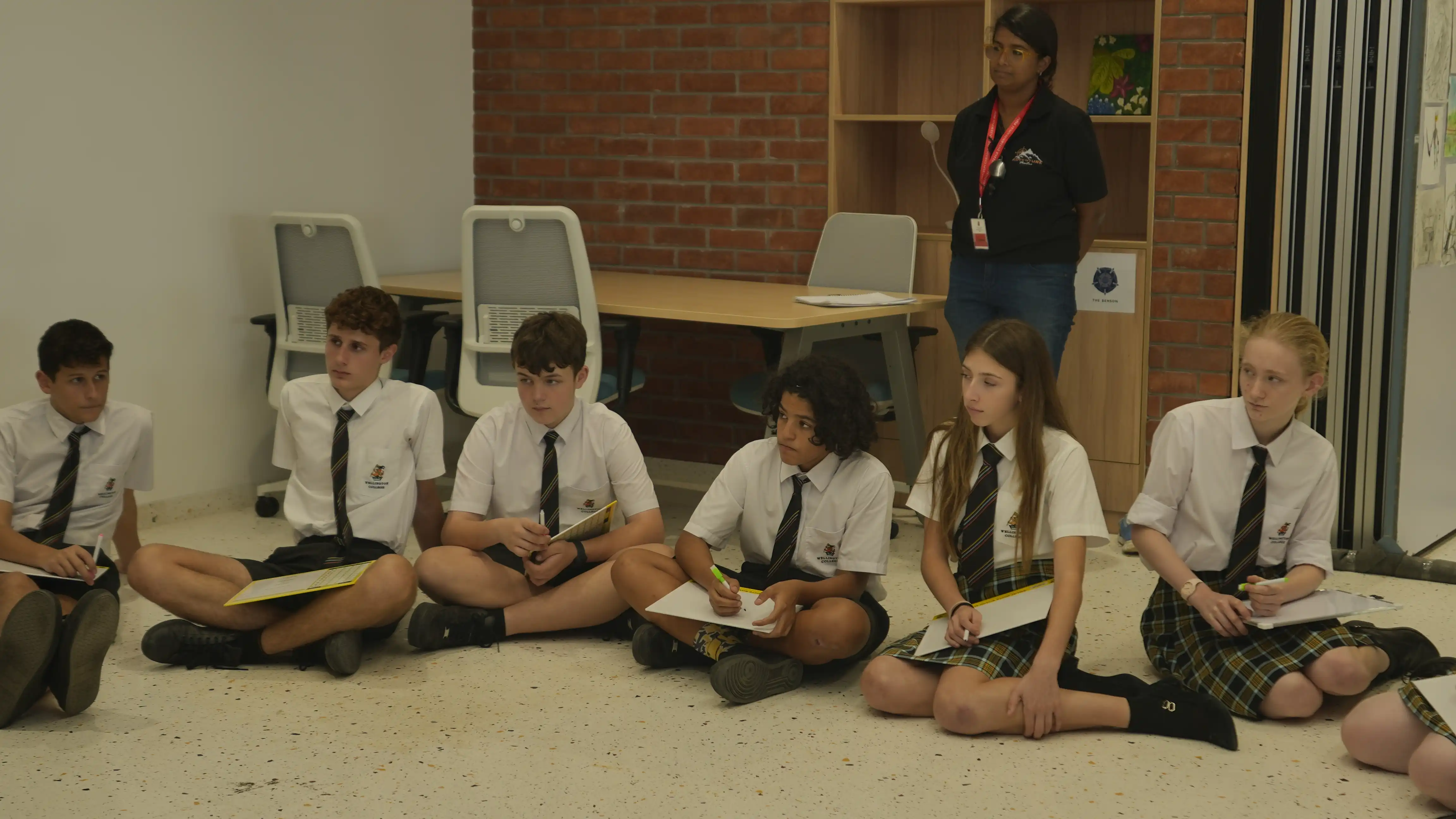
In another, the teacher asks a question that has more than one possible answer. The discussion moves from history to politics, from science to ethics. Students disagree politely. Someone changes their opinion halfway through the conversation because another viewpoint makes more sense.
That second classroom reflects the spirit of the IBDP.
Knowledge still matters, of course. Strong academic foundations remain essential. But learning becomes something students participate in instead of something that simply happens to them.
For many young people, that change is both exciting and challenging.
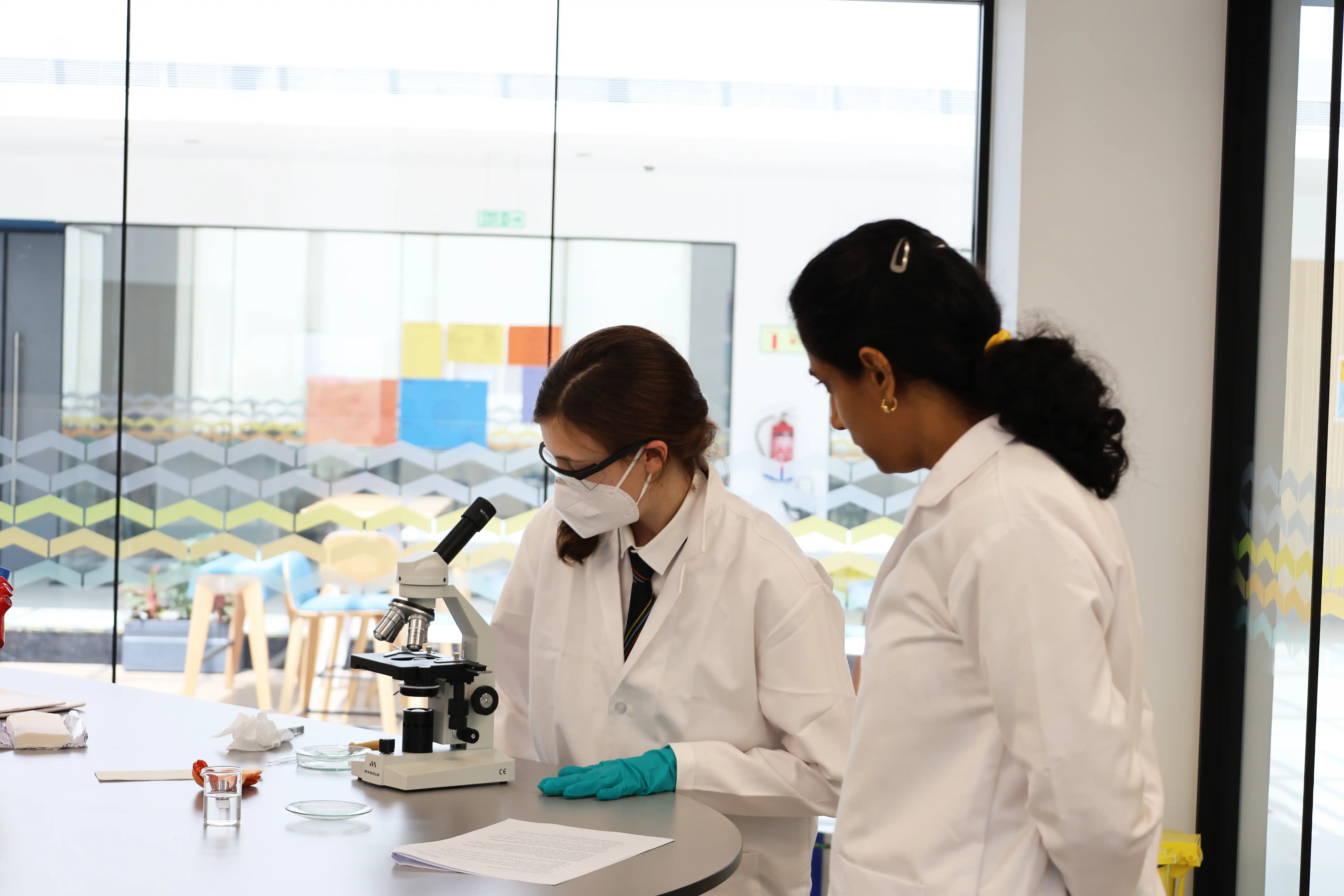
Parents Don't Need All The Answers Immediately
There is often pressure to make the "perfect" decision.
The truth is, there rarely is one.
What helps far more is asking honest questions together.
Instead of focusing only on future careers, ask your child what kind of learner they believe they are becoming. Which subjects leave them wanting to know more? Which projects have they enjoyed without being reminded to finish them? Which classroom experiences have stayed with them months later?
Answers to questions like these usually reveal far more than another comparison chart ever could.
Parents exploring IB Board schools in Pune sometimes tell us they expected to leave with a checklist. Instead, they leave with better questions. That is often a far more valuable outcome.
University Preparation Begins Much Earlier Than Applications
Many families naturally think about university while choosing a senior secondary pathway.
That makes sense.
What sometimes gets overlooked is that universities are not only interested in academic performance but also notice how students think, communicate, research, collaborate, and solve unfamiliar problems.
These qualities are developed gradually, not during the final year of school.
We often encourage families to think about long-term growth rather than short-term results. In fact, parents interested in nurturing these qualities may also enjoy reading about building a scholarship-ready profile, because many of the habits discussed there begin well before university applications are submitted.
Looking Beyond The Brochure
Every school prospectus tells a positive story. Bright classrooms, impressive facilities, strong results. Those things matter, but they are only part of the picture.
A school also has a personality. You notice it when you walk through the corridors, watch students interact with teachers, or sit in on a classroom discussion. Some environments encourage students to speak up without worrying about getting every answer right. Others naturally inspire independence because learners are trusted to think for themselves.
That is worth paying attention to.
While visiting IB Board schools in Pune, spend time observing the atmosphere as much as the infrastructure. Ask students about a typical school day. Listen to what excites them. Their answers often reveal more than statistics ever will.
At Wellington College Pune, education extends beyond strong academic outcomes. Students are encouraged to develop confidence, perspective, empathy, and a lifelong love for learning. These qualities take shape over time through meaningful conversations, supportive mentoring, and opportunities to step beyond familiar boundaries.
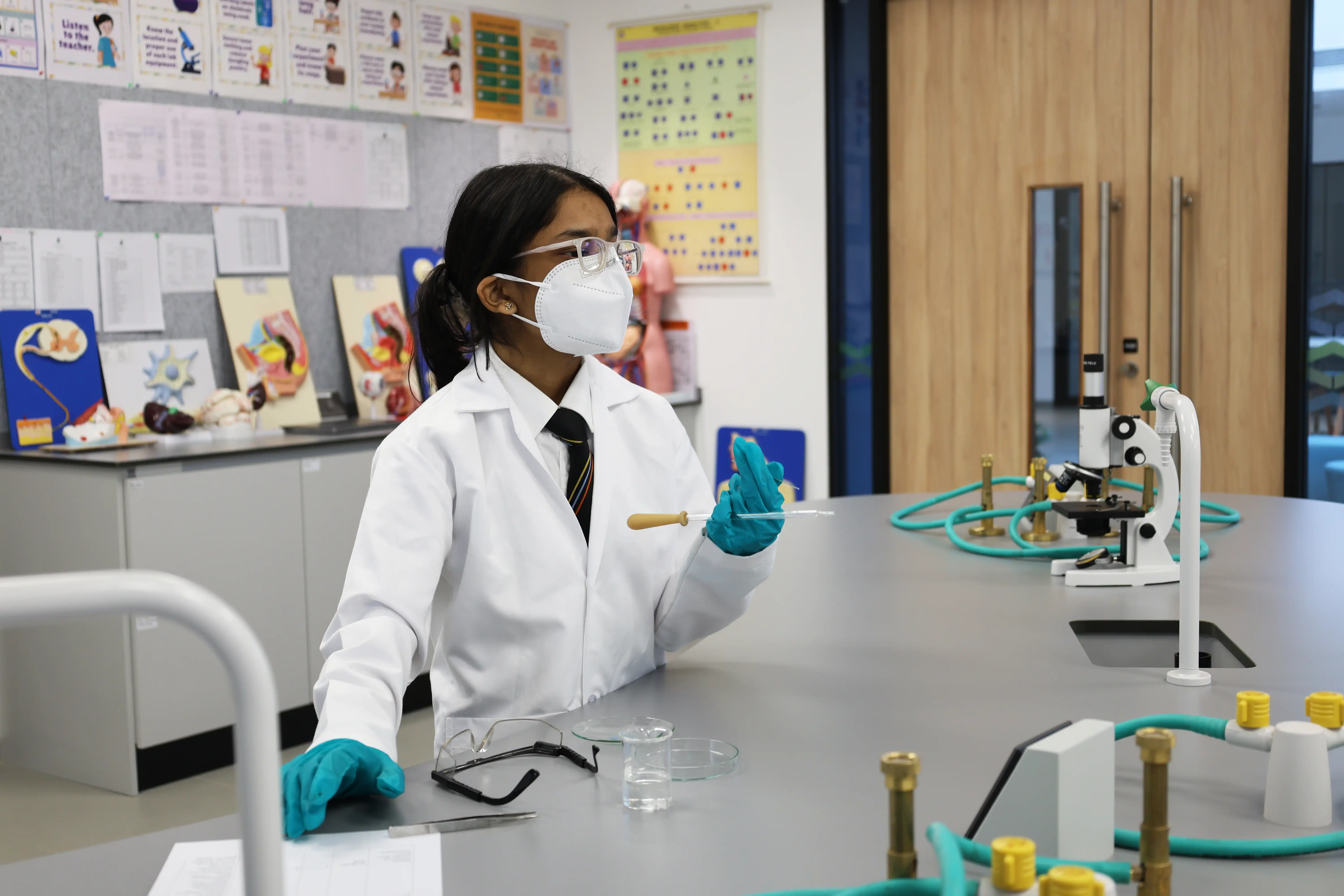
So, Is IBDP The Right Choice?
Some learners prefer clear routines and examination-driven study. Others come alive when they are encouraged to investigate, debate, write, question, and reflect. Neither path is better than the other. What matters is whether the curriculum matches the learner standing in front of it.
If your child enjoys understanding ideas instead of memorising them, is prepared to take responsibility for their own learning, and is excited by a balanced educational experience, the IBDP could be a natural fit.
For families exploring IBDP schools in Pune, the decision becomes much easier when the conversation starts with the child instead of the curriculum. At Wellington College Pune, we are committed to helping families make that decision with clarity, not pressure.
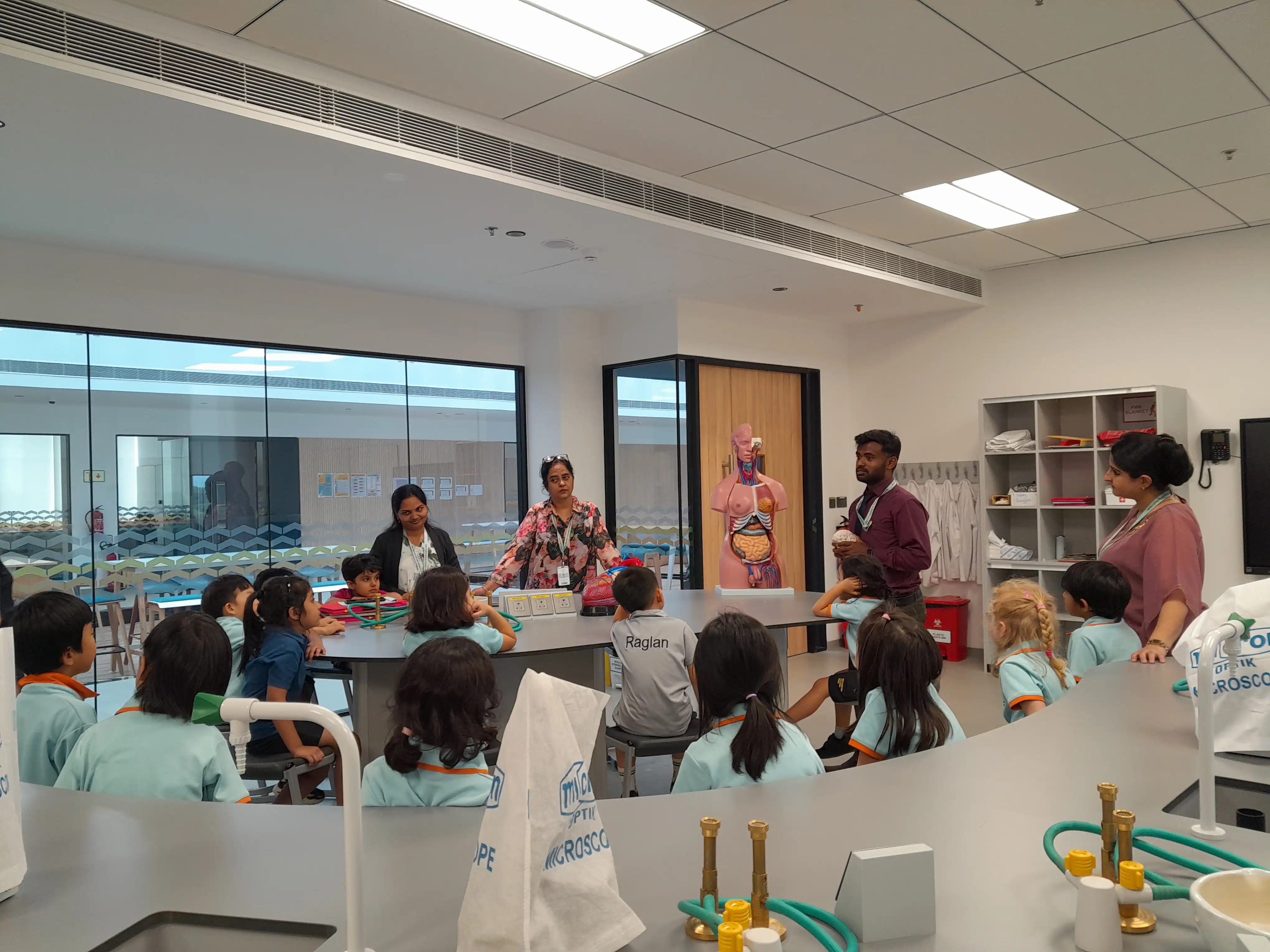
As one of the top international schools in Pune, we believe every learner deserves an environment where curiosity is valued, questions are welcomed, and personal growth is given the same importance as academic success.
While continuing to compare IBDP schools in Pune, remember that the right school is not simply the one with an impressive reputation. It is the one where your child can imagine walking in every morning feeling interested, challenged, and genuinely eager to learn.
FAQs
How do I know if the IBDP is suitable for my child?
The best way is to look beyond academic scores. Consider whether your child enjoys asking questions, working on projects, researching independently, and exploring ideas in depth. Speaking with teachers and visiting schools can also help you understand whether the programme matches their learning style.
How does the IBDP help students develop skills beyond academics?
Alongside academic learning, the IBDP encourages students to strengthen skills such as critical thinking, communication, collaboration, time management, and self-reflection. These experiences help learners become more confident, adaptable, and prepared to handle new challenges both during school and in the years that follow.
What should parents compare when visiting IBDP schools?
Beyond facilities and academic results, observe classroom interactions, teaching methods, student wellbeing, and the overall learning environment. Supportive school culture often plays an equally important role in helping students succeed throughout the programme.
Why is independent learning emphasised in the IBDP?
Independent learning helps students become more organised, responsible, and confident. Through research, coursework, presentations, and reflective activities, they gradually develop habits that prepare them for university studies as well as future personal and professional challenges.
Also Read:
- Pre Primary School Helps Children Develop Communication And Social Skills Early
- How Play-Based Activities Strengthen Early Years Education For Young Children
More Useful Links:
International School In Pune | Best Nursery School | IB Diploma Programme