

 05 Aug 2026
How A Pre Primary School Helps Children Develop Communication And Social Skills Early
25 Jun 2026
It often happens gradually.
One day, your child is perfectly happy chatting to a favourite toy or narrating a story to nobody in particular. Then, almost without warning, they become fascinated by other people. They want to explain their ideas. They want to ask questions. They want friends to listen to their stories, and they want to hear stories in return.
For many families, this is the stage when they begin looking more closely at a pre primary school and the role it can play in a child's development.
It is an understandable instinct. While reading, writing, and numeracy often dominate conversations about education, some of the most important learning taking place during these early years is happening elsewhere. Children are learning how to communicate their thoughts, navigate friendships, understand emotions, and build meaningful relationships.
At Wellington College International Pune, we see these abilities as the foundations upon which future learning is built. Much of this growth happens through everyday experiences, from conversations and collaborative play to the small interactions that help children understand themselves and those around them.
Long Before Children Learn to Write, They Learn to Communicate
Think about how a young child learns a new word.
Rarely through direct instruction. More often, it comes from hearing the word repeatedly in conversation, trying it out, perhaps getting it slightly wrong, then trying again.
Communication develops in much the same way.
Long before children begin writing sentences, they are learning how to express needs, share ideas, ask questions, and make sense of the world around them. They communicate through gestures, facial expressions, storytelling, role play, and conversation.
This is why communication and language sit at the heart of the English Early Years Foundation Stage and remain one of the three prime areas of learning at Wellington College.
Without strong communication skills, it becomes much harder for children to build relationships, participate confidently in learning, or express their understanding.
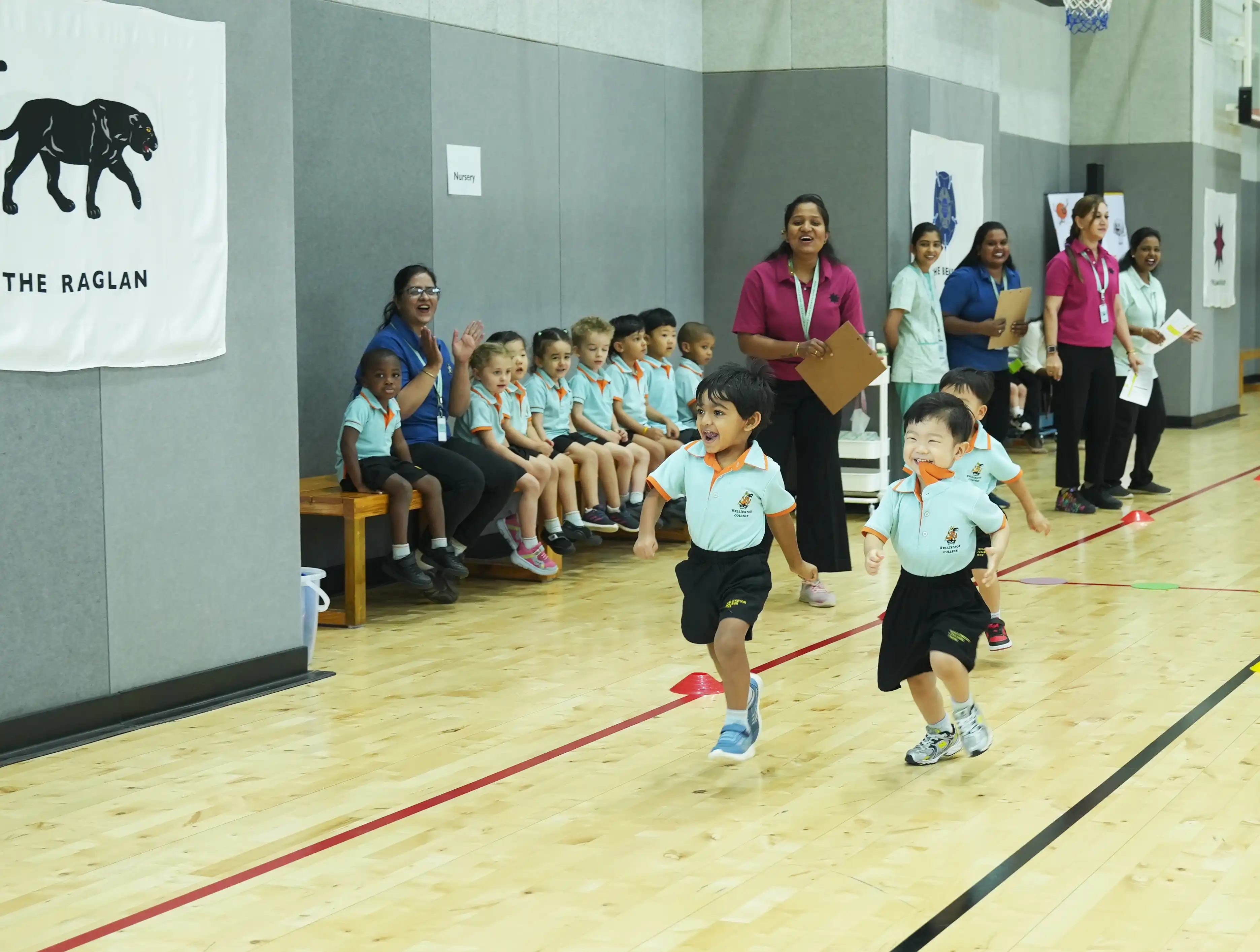
The Conversations That Shape Confidence
Many parents are surprised by how much learning can happen during a simple conversation.
A child describing an insect they discovered in the garden. A discussion about why a tower collapsed. A disagreement over who gets the next turn.
None of these moments appears particularly remarkable. Yet each one provides an opportunity to develop language, confidence, and social understanding.
At Wellington College, our teachers view themselves not simply as instructors, but as participants in a child's learning journey. Sometimes our role is to guide. Sometimes it is to observe. Often, it is necessary to ask thoughtful questions that encourage deeper thinking.
Questions such as:
- What do you think might happen next?
- Why do you think that worked?
- How could we solve this problem together?
These conversations help children become more confident communicators because they learn that their ideas matter.
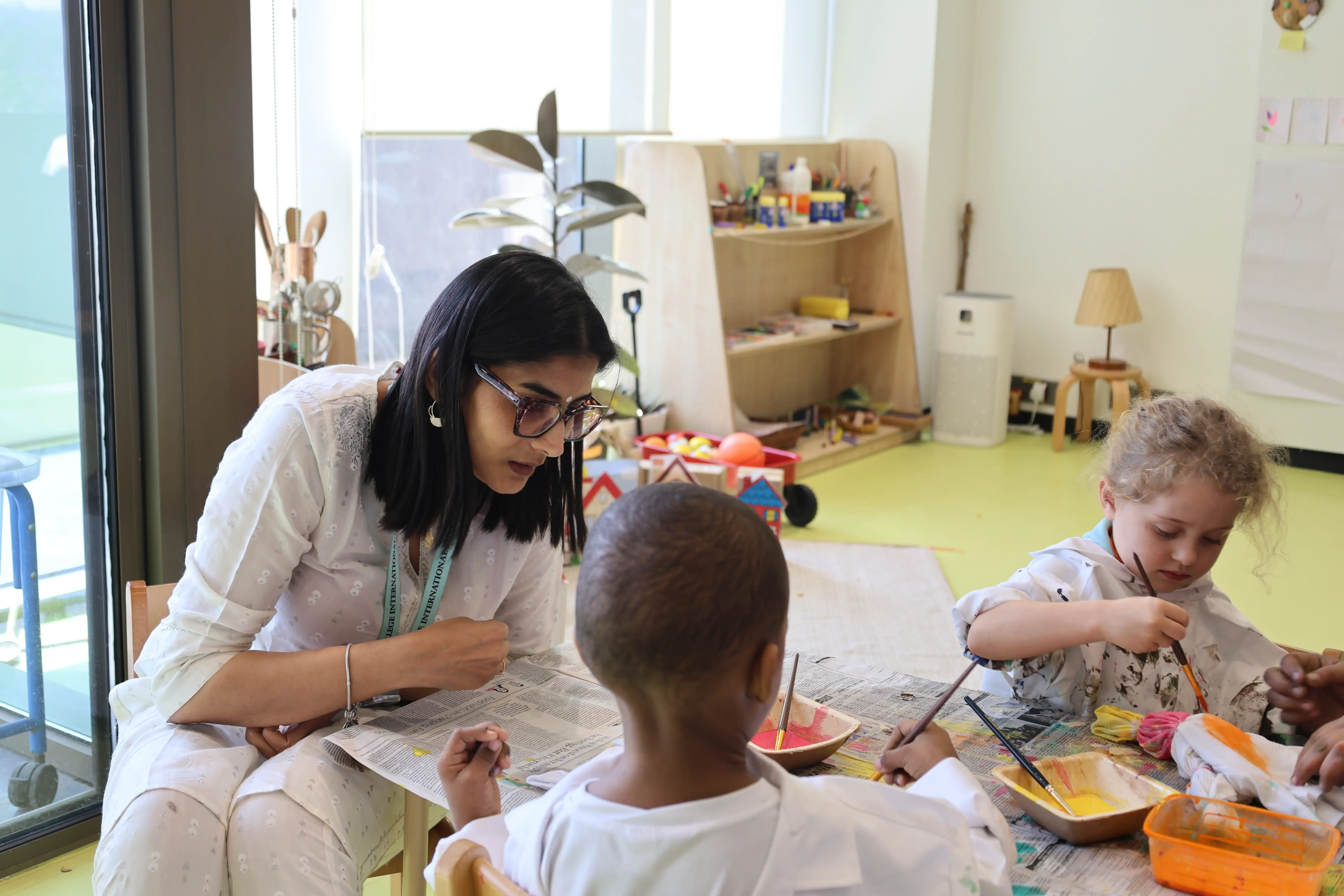
Friendship Is Learned One Small Interaction at a Time
We often assume children naturally develop social skills as they grow older.
To some extent, they do.
Yet much of social development comes through repeated opportunities to interact with others, navigate differences, and understand perspectives beyond their own.
- Learning to take turns is a social skill.
- Learning to listen is a social skill.
- Learning that someone else may think differently from you is a social skill too.
For families exploring nursery schools in Pune, these experiences can be just as important as academic readiness.
Everyday Experiences That Build Social Understanding
| Experience | What Children Learn |
|---|---|
| Group projects | Cooperation and teamwork |
| Role play activities | Empathy and communication |
| Outdoor exploration | Confidence and collaboration |
| Story discussions | Listening and perspective-taking |
| Shared problem-solving | Negotiation and resilience |
The learning may look simple from the outside. In reality, it is helping children build skills they will use for the rest of their lives.
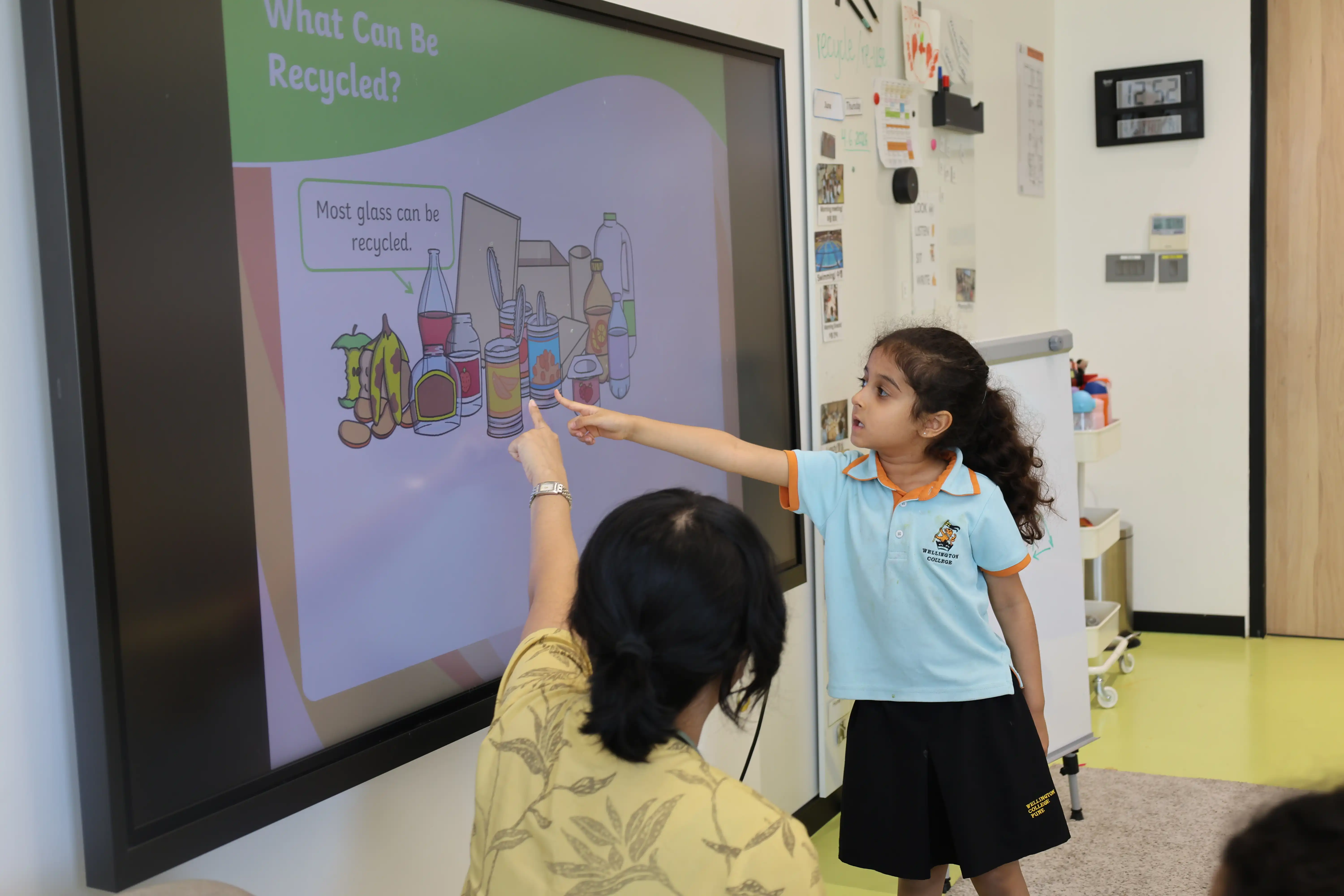
Why Play Often Teaches More Than We Realise
Watch a group of children during imaginative play and you will see far more than entertainment.
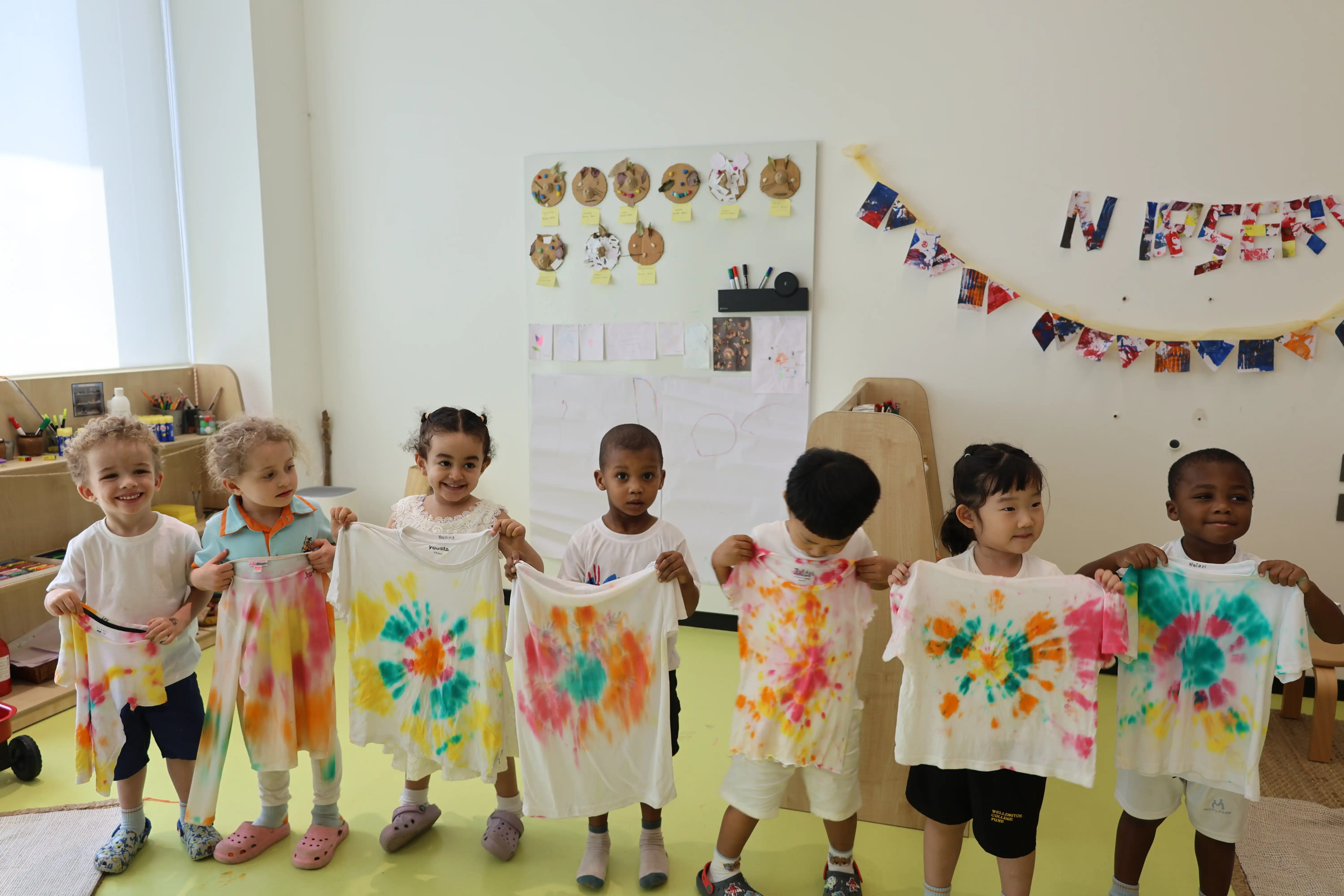
One child becomes the shopkeeper. Another decides to be a customer. A third wants to redesign the entire shop and move it somewhere else. Within minutes, children are negotiating, persuading, compromising, listening, and solving problems.
That is why play remains such an important part of our approach at Wellington College.
We believe children learn best when they are active participants in their learning. Through project-based experiences, open-ended resources, and opportunities for discovery, children naturally practise the communication and social skills they need.
Through Play, Children Learn To:
- Express ideas clearly
- Listen respectfully
- Solve disagreements
- Work collaboratively
- Build confidence in social situations
Importantly, these skills develop in ways that feel enjoyable and meaningful rather than forced.
The Environment Matters More Than Many Parents Realise
Not all learning happens because of a planned activity. Sometimes the environment itself becomes the teacher.
This belief shapes many aspects of our Early Years provision at Wellington College.
Walk into one of our learning spaces and you will not find rows of identical activities with predetermined outcomes. Instead, children encounter open-ended materials, carefully chosen resources, collaborative spaces, and opportunities for exploration.
Our indoor and outdoor environments are designed to encourage conversation, curiosity, and interaction.
Children move between spaces, share discoveries, build together, and engage in meaningful discussions as they learn.
It is one reason parents researching the best pre schools in Pune are increasingly interested not just in facilities, but in how those environments are used to support development.
Every Child Finds Their Voice Differently
One of the most important lessons educators learn is that communication does not look the same for every child.
Some children enter a room and begin talking immediately. Others watch carefully from the side before joining in. Neither approach is wrong.
At Wellington College, we recognise that every child develops at their own pace. Our role is not to rush that process but to create opportunities that allow confidence to grow naturally.
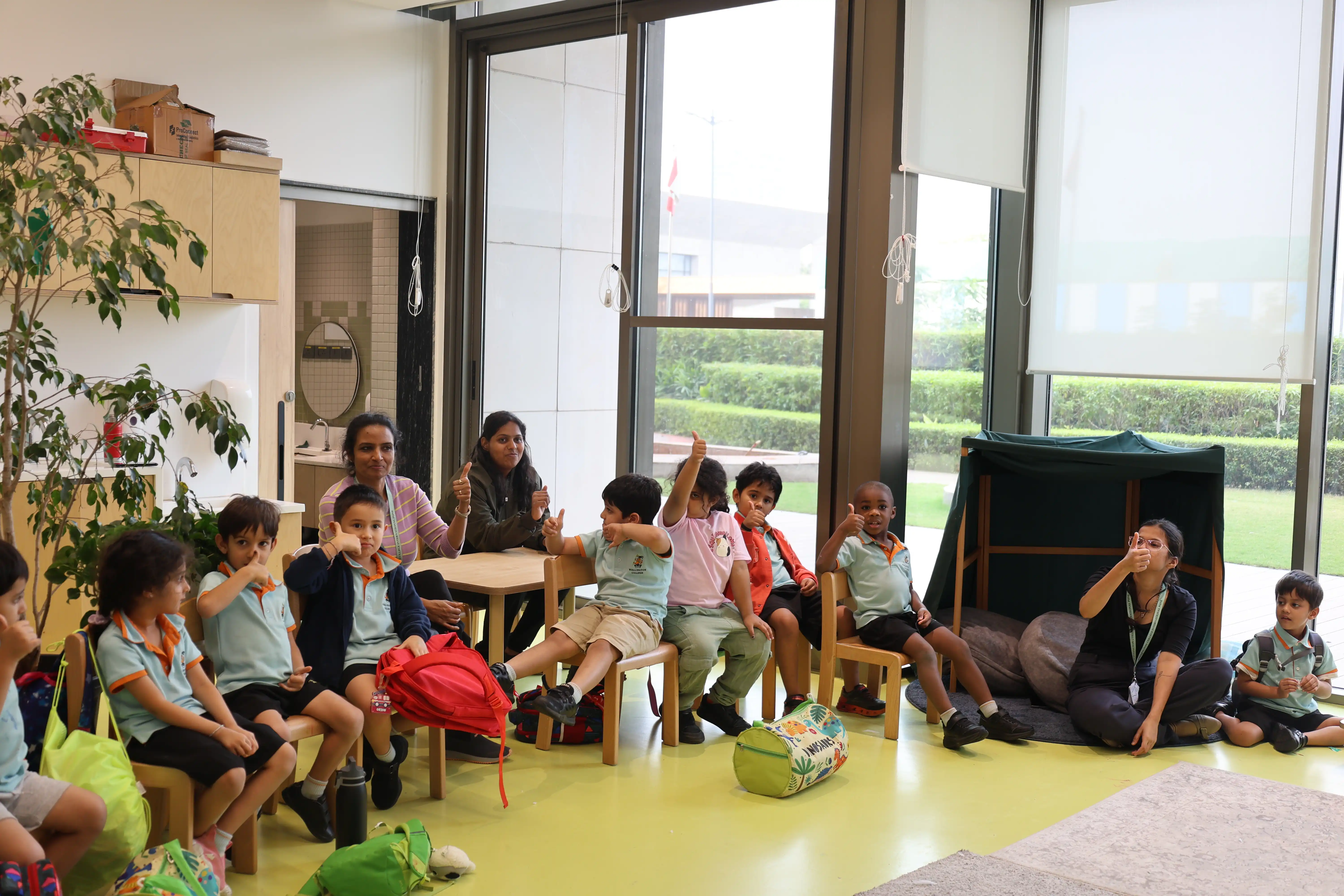
This commitment to individuality sits at the centre of our philosophy.
For parents exploring the best pre primary schools in Pune, understanding how a school responds to individual differences can be just as important as understanding its curriculum.
Beyond the Classroom, Into the Wider World
Some of the richest opportunities for communication happen outdoors.
Whether children are caring for plants in a garden, constructing dens, exploring natural materials, or working together to solve a challenge, they are constantly exchanging ideas.
Outdoor learning encourages independence, collaboration, and leadership in ways that are difficult to replicate elsewhere.
It also reminds children that learning is not confined to four walls.
The world itself becomes part of the conversation.
Building Skills That Last Far Beyond Childhood
The communication and social skills developed during the early years do not remain in childhood.
They influence friendships, academic success, emotional wellbeing, leadership, and future opportunities.
That is why choosing the right pre primary school matters.
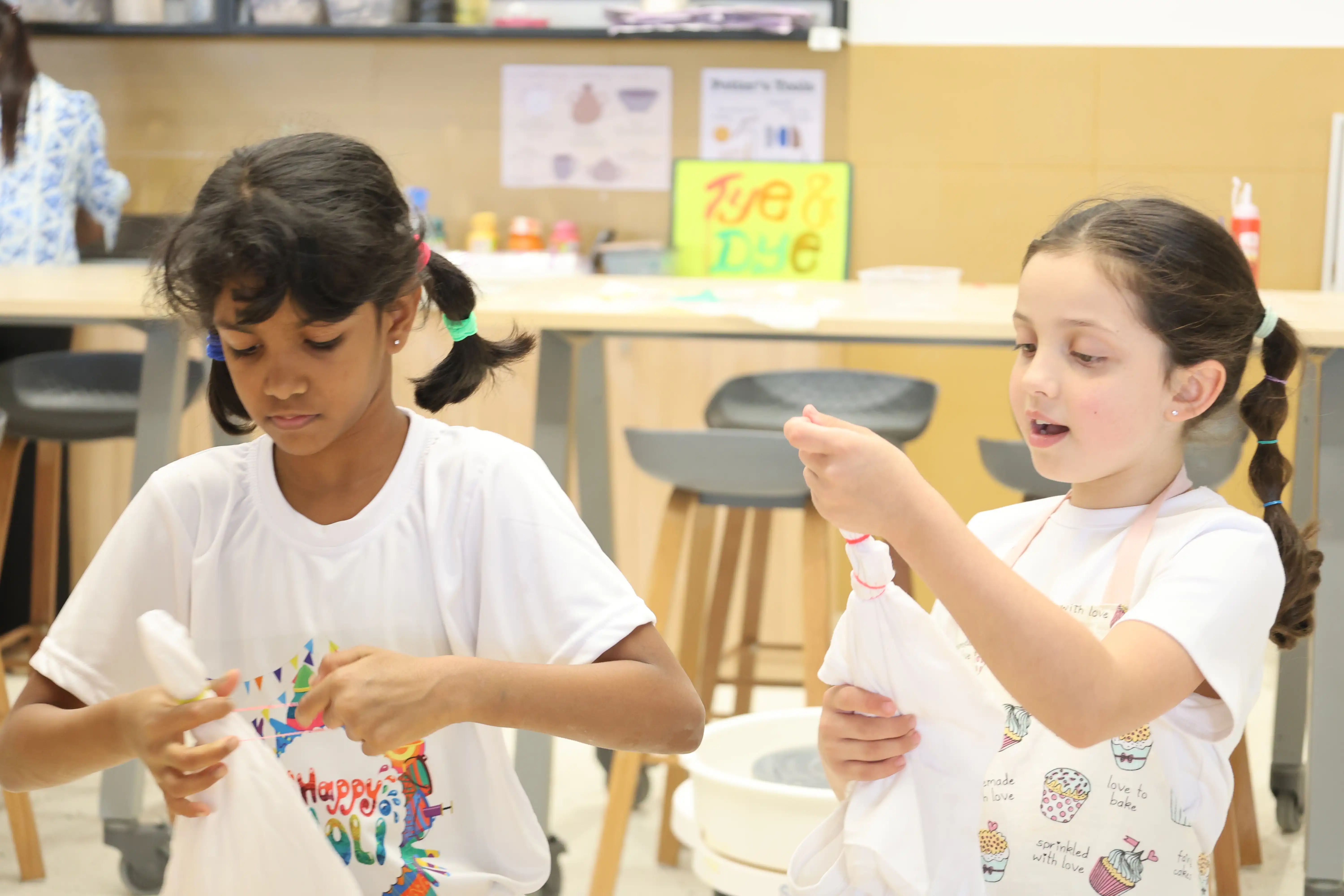
At Wellington College, we believe education begins with relationships. Through positive interactions, purposeful play, thoughtful environments, and strong partnerships with families, children learn not only how to communicate but how to connect.
For families exploring nursery schools in Pune, it is worth remembering that some of the most important outcomes of early learning cannot be measured through tests or assessments. They are reflected in a child who feels confident sharing an idea, comfortable making a friend, and excited to engage with the world around them.
FAQs
Why are communication skills important in the early years?
Communication skills help children express their needs, share ideas, build relationships, and participate confidently in learning experiences. Developing these abilities early creates a strong foundation for future academic success, social interactions, and emotional wellbeing.
How does play support social development in young children?
Play creates natural opportunities for children to cooperate, negotiate, share, and solve problems together. Through role play, group activities, and imaginative experiences, children learn valuable social skills that help them build positive relationships with others.
What role do teachers play in developing communication skills?
Teachers support communication by listening carefully, encouraging conversation, asking open-ended questions, and creating environments where children feel comfortable expressing themselves. Their guidance helps children build confidence while developing language and social understanding.
How do learning environments influence social and communication skills?
Well-designed learning environments encourage collaboration, discussion, and exploration. Spaces that support both independent and group activities help children interact naturally, develop confidence, and practise communication skills through meaningful everyday experiences.
- Building A Scholarship-Ready Student Profile: A Guide For Parents And Children
- How Play-Based Activities Strengthen Early Years Education For Young Children
More Useful Links:
International School In Pune | Best Nursery School | IB Diploma Programme