 05 Aug 2026
Co-Curricular Activities And Holistic Development: What Parents Should Look For In A School
23 Oct 2026
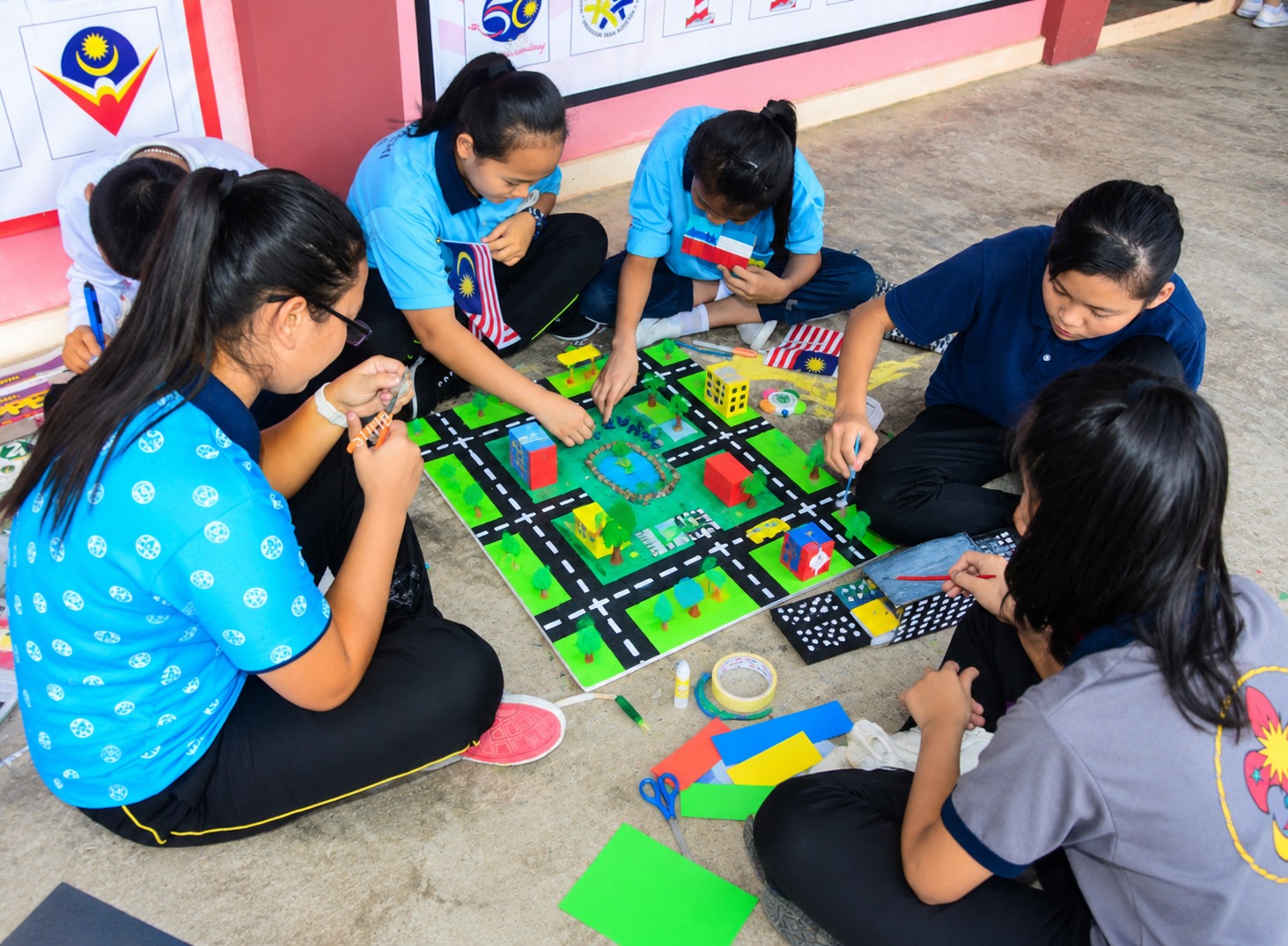
Ask a child what they remember most about school, years later, and it's almost always about the fun they had.
Parents often walk into a school tour asking about academic results. By the end of the visit, many find themselves asking a different question instead.
“What are the co curricular activities that would interest my child here?”
That question, more than any prospectus, reveals how a school thinks about growth.
Why Co-Curricular Activities Matter As Much As Academics
Academic learning teaches a child what to know. Co-curricular activities teach a child who to become.
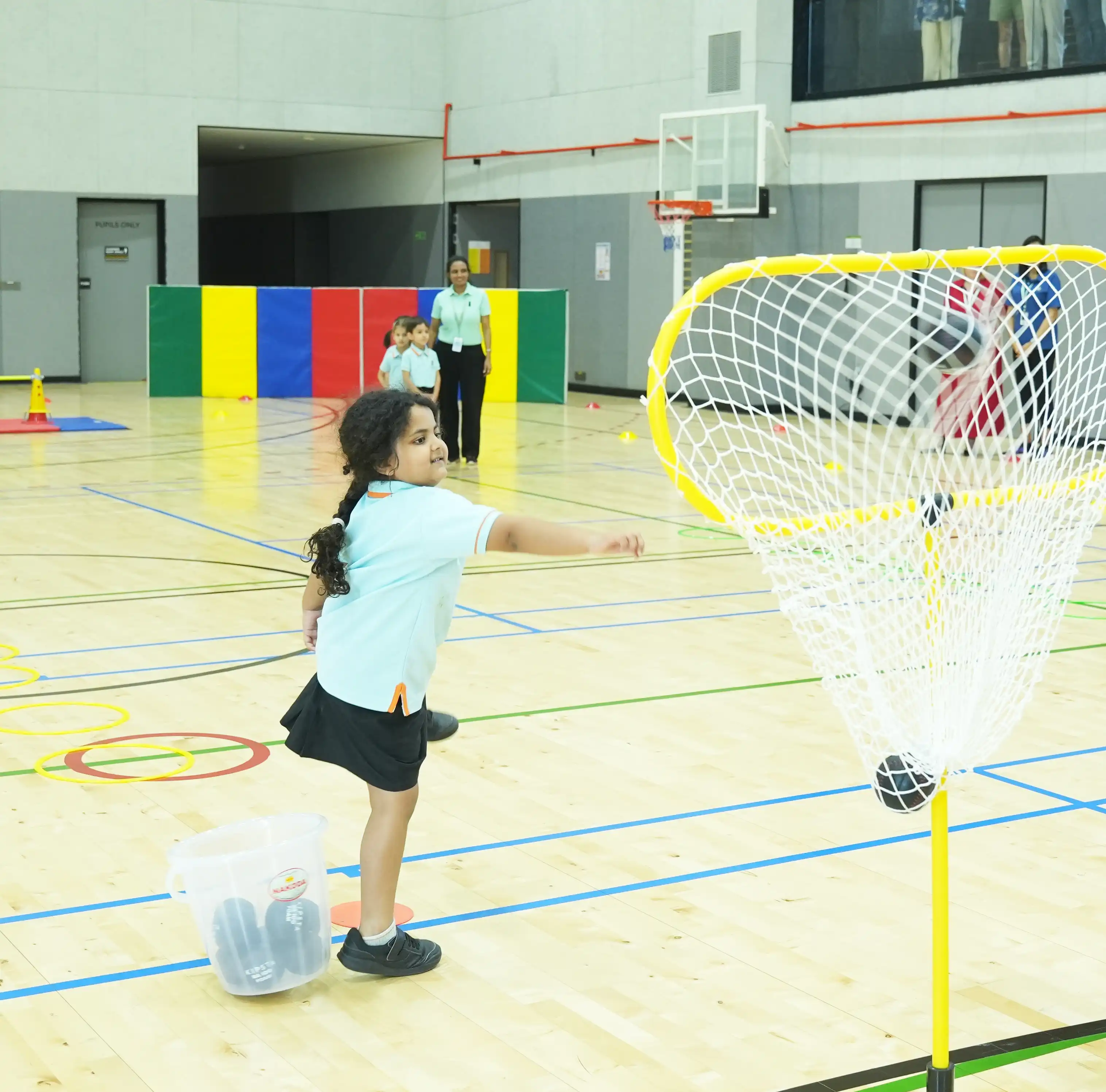
A debate teaches structured thinking and the courage to hold a viewpoint. A team sport teaches resilience, the kind that only comes from losing gracefully and trying again. Music and art teach patience, expression, and the quiet satisfaction of practising something until it feels right.
None of this shows up neatly on a report card. All of it shapes the person a child grows into.
At Wellington College Pune, we see co-curricular activities not as an addition to the timetable, but as an essential part of it.
What To Actually Look For When Touring A School
Most schools list activities on a website. Fewer schools make them a genuine part of daily life.
When visiting a school, it helps to ask:
- How many co-curricular activities are genuinely part of the weekly timetable, not just an optional after-school list?
- Do students across all age groups get real opportunities to participate, or only a select few?
- Are there enough qualified staff to guide these activities properly, in sport, music, art, and beyond?
- Is there a visible culture of participation, students genuinely engaged, not just fulfilling a requirement?
These questions matter more than a long list of facilities. A well-equipped hall means little if it sits unused most weeks.
The Importance Of Co-Curricular Activities In Building Confidence
Confidence rarely grows from academic success alone. It grows from trying something new in front of others, and discovering it went better than expected.
The importance of co-curricular activities becomes clear the first time a naturally quiet child stands on stage, or a hesitant student takes their first shot on goal. These moments teach children that growth often lives just outside their comfort zone.
At Wellington College Pune, students get regular opportunities to step into these moments, not once a year, but as part of everyday school life.
Holistic Development Means More Than A Balanced Timetable
A truly holistic education doesn't separate the "academic child" from the "creative child" or the "sporty child." It recognises that every child carries a bit of all three, and gives them room to explore each side.
This is where thoughtfully designed co-curricular programs make a real difference. They give children permission to be more than one thing, a mathematician who also paints, a scientist who also plays the violin, a quiet reader who also captains a team.
Among private schools in Pune, this breadth of opportunity is often what separates a genuinely holistic education from one that simply claims to be.
Building A Global Outlook Through Everyday Activities
Being part of the wider Wellington family means our approach draws on an international understanding of childhood development, one where co-curricular activities are treated as core to growth, not peripheral to it.
Expeditions, community outreach, sport, music, and the arts all play their part here, helping students build the kind of well-rounded confidence that carries into university and beyond.
What This Means For Your Child
A school's true character often shows up not in its classrooms, but in its playgrounds, rehearsal rooms, and sports fields.
When evaluating schools, look past the list of activities offered. Look for how genuinely those activities are woven into daily life, and how many children actually get to take part.
At Wellington College Pune, we believe co-curricular activities are where children discover strengths they didn't know they had, and confidence that stays with them well beyond their school years.
FAQs
Why are co-curricular activities important for a child's development?
They build confidence, resilience, and social skills that complement academic learning, helping children grow into well-rounded individuals.
How does Wellington College Pune structure co-curricular activities?
Activities are woven into the regular timetable and daily school life, ensuring genuine participation across age groups, not just occasional events.
What should parents look for regarding co-curricular offerings during a school tour?
Ask about weekly participation, staff expertise, and whether all students genuinely engage, not just a select few.
How do co-curricular activities enhance academic performance?
They can support academic performance positively. Skills like discipline, time management, and confidence often carry over into stronger academic engagement.
How do co-curricular activities support holistic development?
They nurture creativity, physical wellbeing, and emotional growth alongside academics, helping children discover and develop diverse strengths.