 23 Oct 2026
Cambridge IGCSE Assessment: How Coursework, Exams, And Subject Choices Work
17 Nov 2026

Ask a Grade 8 parent what the IGCSE involves, and there’s usually a short pause. Then comes the answer: “Exams, right? Big ones?”
Partly right. Cambridge IGCSE is mostly assessed through externally marked written exams at the end of a two-year course, with coursework, practicals or oral tests added in some subjects.
That “some subjects” part is where families tend to get lost. Coursework, tiers, subject choices: it all sounds heavier than it is. If you’re comparing international schools in Pune, understanding this early saves a lot of confusion later.
Where The IGCSE Curriculum Fits
At Wellington College Pune, students follow the IGCSE in Grades 9 and 10, after the English National Curriculum in Grades 6 to 8. The IB Diploma Programme begins in Grade 11. So the IGCSE Curriculum isn’t a one-off event. It’s the stretch of road between the middle years and the senior ones, and what students pick up here travels with them.
How The Assessment Actually Works
Written Exams:
Most of a student’s final result comes from papers sat at the end of the course. They’re set and marked outside the school, so every student is measured against the same standard, not against one classroom’s habits.
Coursework, Practicals And Orals
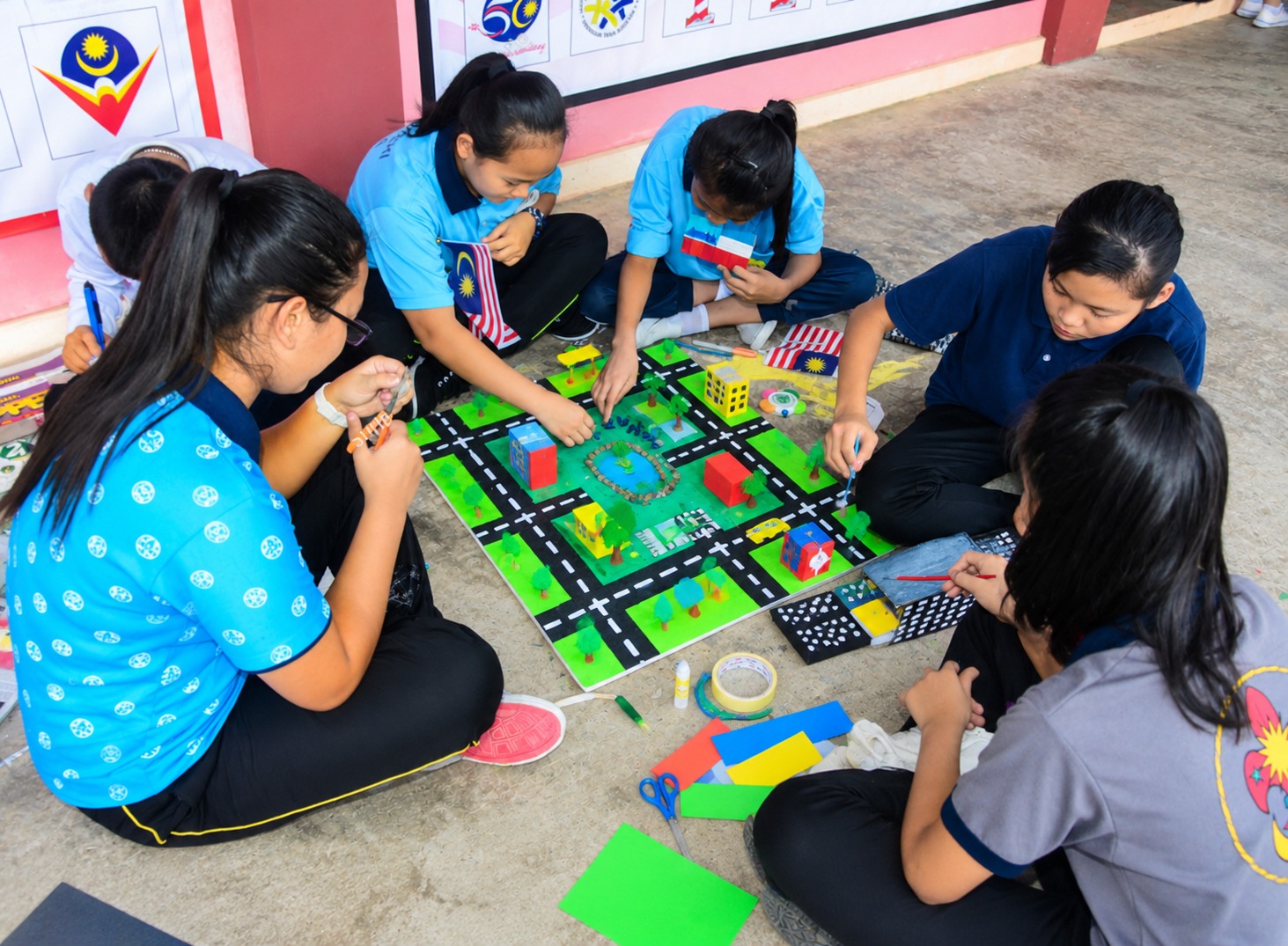
Not every subject has this layer, but many do in one form or another. A written project, a practical task, a speaking test. These reward steady effort over several months, which is a relief for the child who freezes on exam day. They get a second way to show what they know.
| Component | Where You’ll See It | What It Rewards |
|---|---|---|
| Written exams | Most subjects | Understanding, recall, clear writing under time |
| Coursework | Selected subjects | Planning, sustained effort, independence |
| Practical work | Sciences, for example | Method, observation, accuracy |
| Speaking and listening | Languages | Fluency and confidence |
Core And Extended Papers
In some subjects, students sit either Core or Extended papers. Core covers the essential content and carries a lower grade ceiling. Extended goes further and opens up the higher grades. Teachers usually guide this choice, since they see how a student actually works week to week.
How Grades Work
Cambridge IGCSE results are typically reported on an A* to G scale, though some subjects use 9 to 1. Either way, the result is a record of final performance, not a verdict on a child’s potential. That distinction is worth repeating at home.
Choosing Subjects Without The Panic
Grade 9 is often the first time a student gets a real say in what they study. That’s exciting. It’s also a little scary.
A few pointers that tend to help:
- Begin with strengths and curiosity. A child who enjoys a subject will put in the hours without being nagged.
- Keep the mix balanced. The IB Diploma asks students to study across six subject groups, so a spread across sciences, languages, humanities, mathematics and the arts keeps doors open.
- Ask about coursework. Some children love long projects. Others find them draining. Knowing which one you have is useful.
- Talk to teachers. They notice things parents can’t see, like how a child handles feedback.
- Don’t choose for friends. Friendships change. Subjects stick.
Good habits built here are what make the step up to IBDP feel manageable later, so the goal isn’t just a strong list of grades. It’s a student who knows how they learn.
Parents looking at IB Board schools in Pune often ask whether IGCSE results decide entry to the Diploma. Entry expectations differ from school to school, so ask each one directly instead of assuming.
How We Support Students Through It
At Wellington College Pune, we see the IGCSE years as a training ground. Our teachers keep an eye on how students plan, revise, and respond to feedback, not just on what they score. When Grade 11 approaches, the conversation shifts to the Diploma. Our academic staff, university guidance team, and IB Diploma Programme Coordinator help students shape a subject combination around their interests and goals, and The Bridge to IBDP summer transition programme gives them a head start.
What Parents Can Do During The Two Years
- Ask about the process, not only the marks
- Look at coursework feedback early, when there’s still time to act on it
- Keep routines steady, especially before exams
- Notice effort out loud, even when results wobble
A Calm Way To See It
From the outside, IGCSE assessment looks complicated. Up close, it’s mostly a rhythm: learn, practise, show it. If you’d like us to walk you through how that rhythm works in our classrooms, we’d be glad to welcome you to campus.
FAQs
How is Cambridge IGCSE assessed?
Most subjects are assessed through written exams at the end of the two-year course, set and marked externally. Some subjects also include coursework, practical work, or speaking tests that count towards the final grade.
Which grades follow the IGCSE at Wellington College Pune?
At Wellington College Pune, students follow the IGCSE in Grades 9 and 10, after the English National Curriculum in Grades 6 to 8. The IB Diploma Programme then begins in Grade 11.
What are Core and Extended papers in IGCSE?
In some subjects, students sit either Core or Extended papers. Core covers the essential content with a lower grade ceiling, while Extended goes further and allows higher grades. Teachers usually guide the choice based on the student’s strengths.
How should students choose IGCSE subjects?
Start with strengths and interests, then keep a balanced mix across sciences, languages, humanities, mathematics and the arts. A broad selection keeps future options open, including the IB Diploma’s six subject groups.
What does coursework add to IGCSE assessment?
Coursework lets students show understanding through sustained work over several months instead of a single exam day. It rewards planning, independence and steady effort, and counts towards the final grade in subjects that include it.