


 05 Aug 2026
How Play-Based Activities Strengthen Early Years Education For Young Children
23 Jun 2026
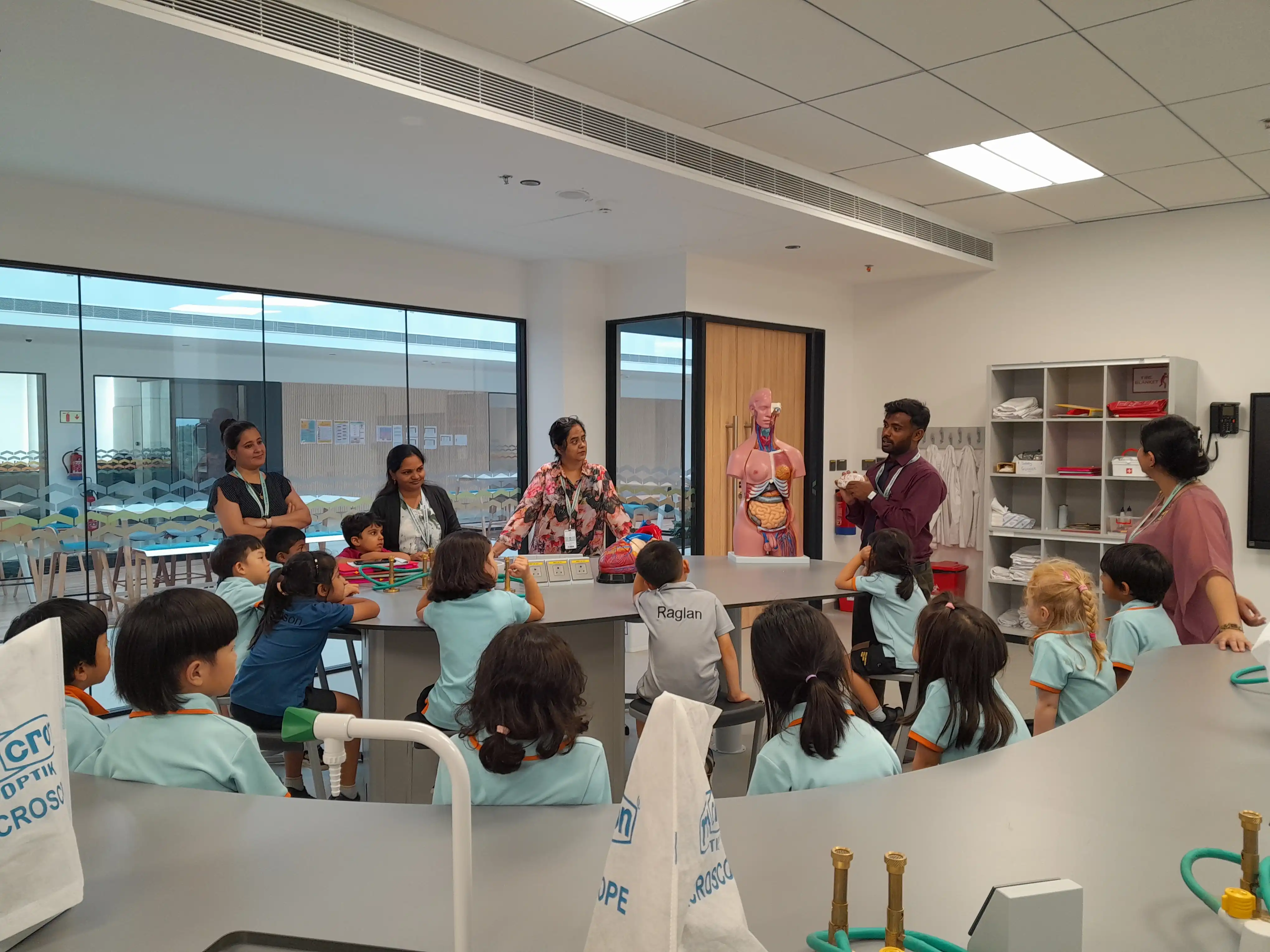
Spend a few minutes watching young children at play and something remarkable becomes clear.
One child is building a tower that seems determined to fall over. Another is turning a cardboard box into a spaceship. Across the room, a small group is negotiating who gets to be the shopkeeper and who gets to be the customer.
To an adult, it can look simple. Sometimes even chaotic.
But beneath the laughter, movement, and imagination, something important is happening.
Children are learning.
Not in the formal sense of worksheets and instructions. They are learning how to communicate, solve problems, build relationships, test ideas, and make sense of the world around them. This is why play remains such an important foundation of early years education.
At Wellington College, we see play not as a break from learning but as one of the most powerful ways learning begins. Through play, young children develop confidence, communication, creativity, and problem-solving skills while exploring and understanding the world around them.
Spend a little longer observing those same children and the learning becomes easier to spot. The child building a tower is experimenting with balance and persistence. The group running an imaginary shop is practising communication, cooperation, and decision-making.
Why Play Matters More Than Many People Realise
It can be tempting to think that learning becomes more meaningful when children sit down, listen carefully, and complete structured tasks.
Yet young children learn differently.
Their understanding grows through experience. They need opportunities to explore, touch, question, experiment, and sometimes make mistakes. In many ways, play provides exactly the environment they need.
A child building with blocks is not simply stacking objects.
They are exploring balance, spatial awareness, planning, and persistence.
A child pretending to run a café is practising communication, social interaction, and language development without even realising it.
The learning is real. It simply looks different.
The Hidden Skills Children Develop Through Play
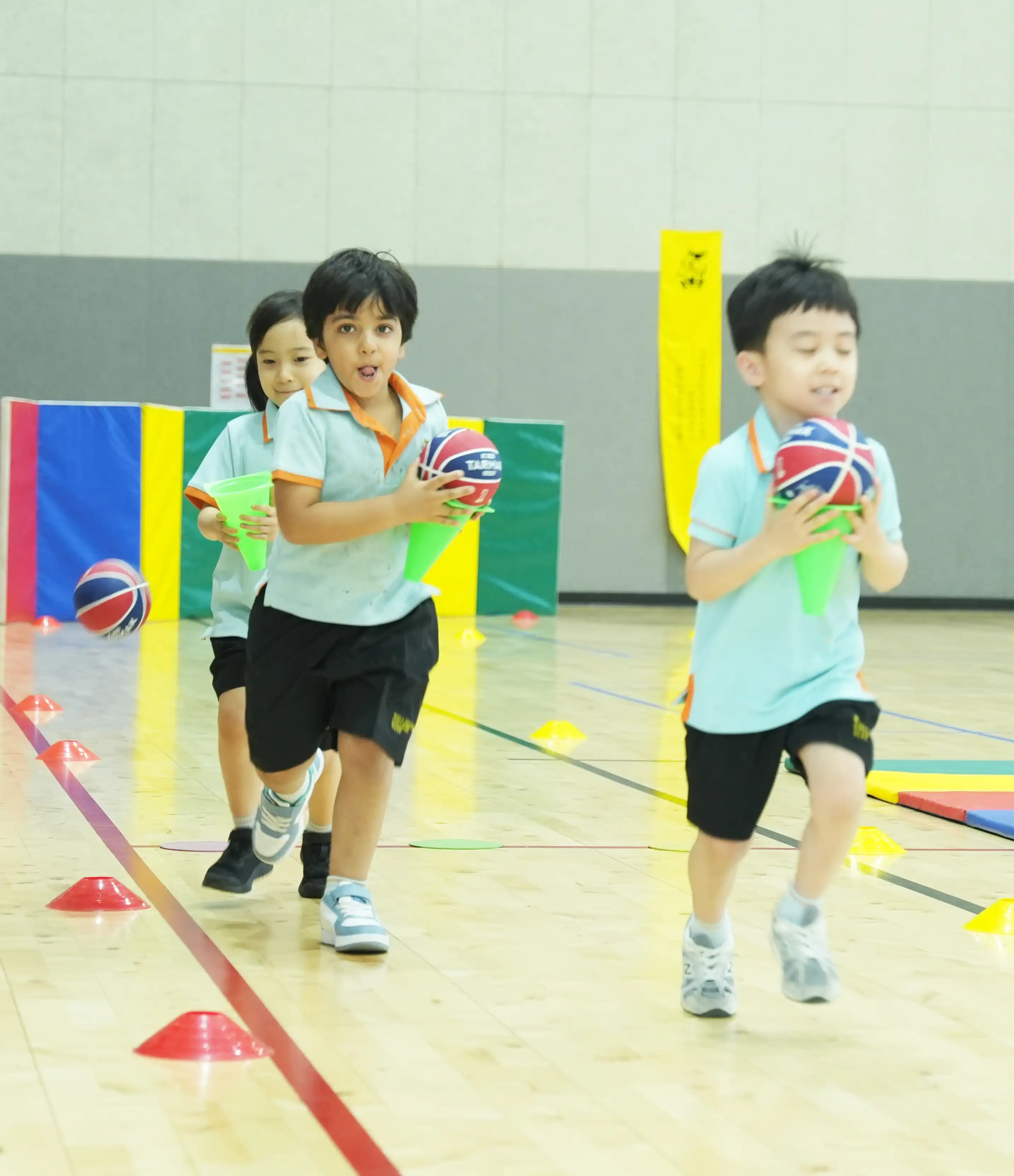
One of the strengths of play-based learning is that multiple areas of development often happen at the same time.
Learning Beyond the Activity
| Play Activity | Skills Being Developed |
|---|---|
| Building blocks | Problem-solving, coordination, resilience |
| Role play | Communication, creativity, empathy |
| Group games | Teamwork, listening, cooperation |
| Art activities | Self-expression, fine motor skills |
| Outdoor exploration | Curiosity, confidence, observation |
This is one reason why play continues to be central to quality early learning environments around the world.
The activity itself matters, but the thinking behind it matters even more.
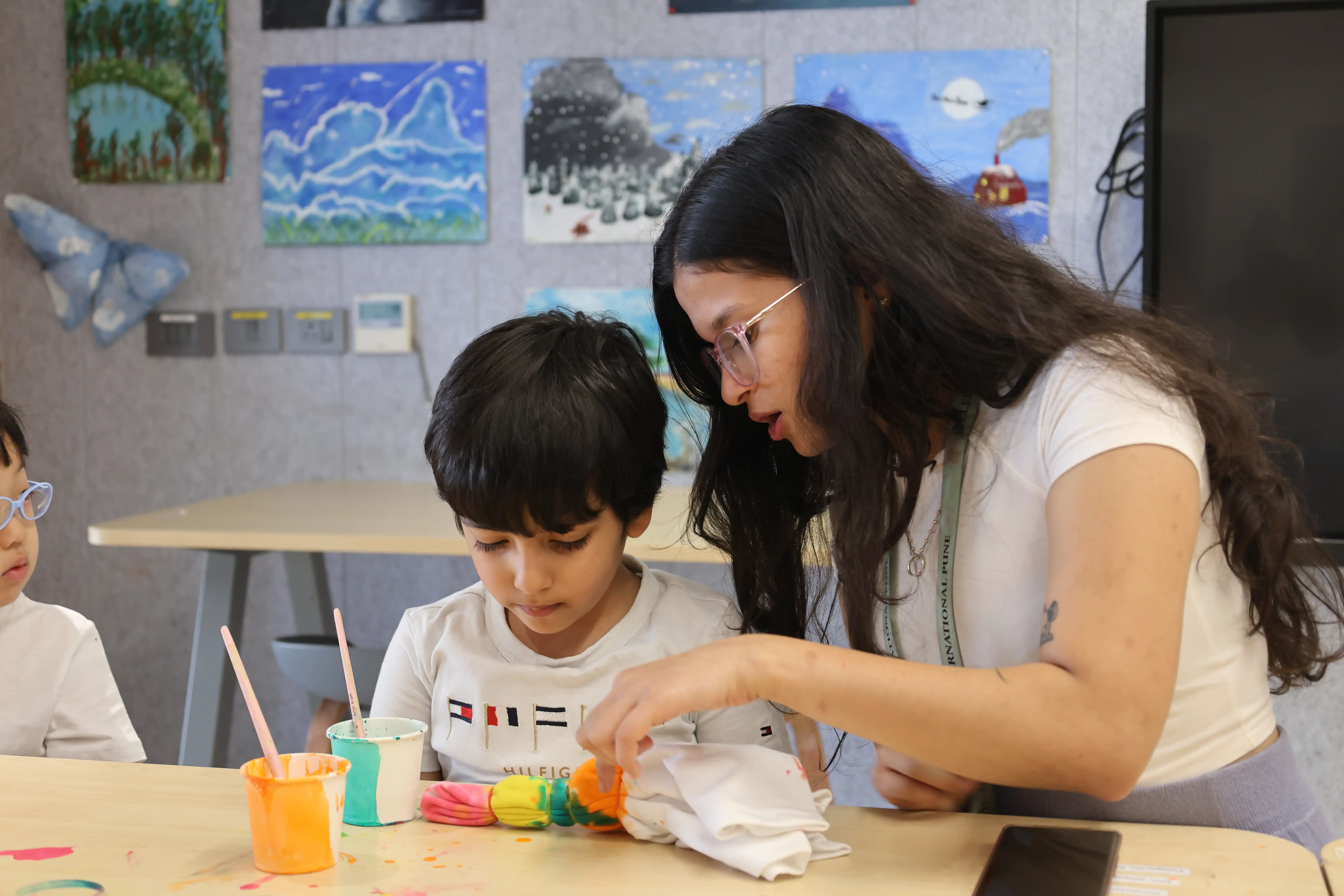
Confidence Often Begins With Play
Many parents focus understandably on literacy and numeracy during the early years. These are important foundations. Yet confidence can be just as valuable. Children who feel confident are more likely to ask questions, share ideas, try unfamiliar activities, and recover from setbacks.
Play creates opportunities for this growth every day.
Imagine a child attempting to complete a puzzle. The first attempt does not work. Neither does the second. Eventually, after a little perseverance, the final piece fits. That small moment matters. It teaches patience. It teaches resilience. It teaches a child that challenges can be overcome.
These lessons stay with them long after the puzzle is packed away.
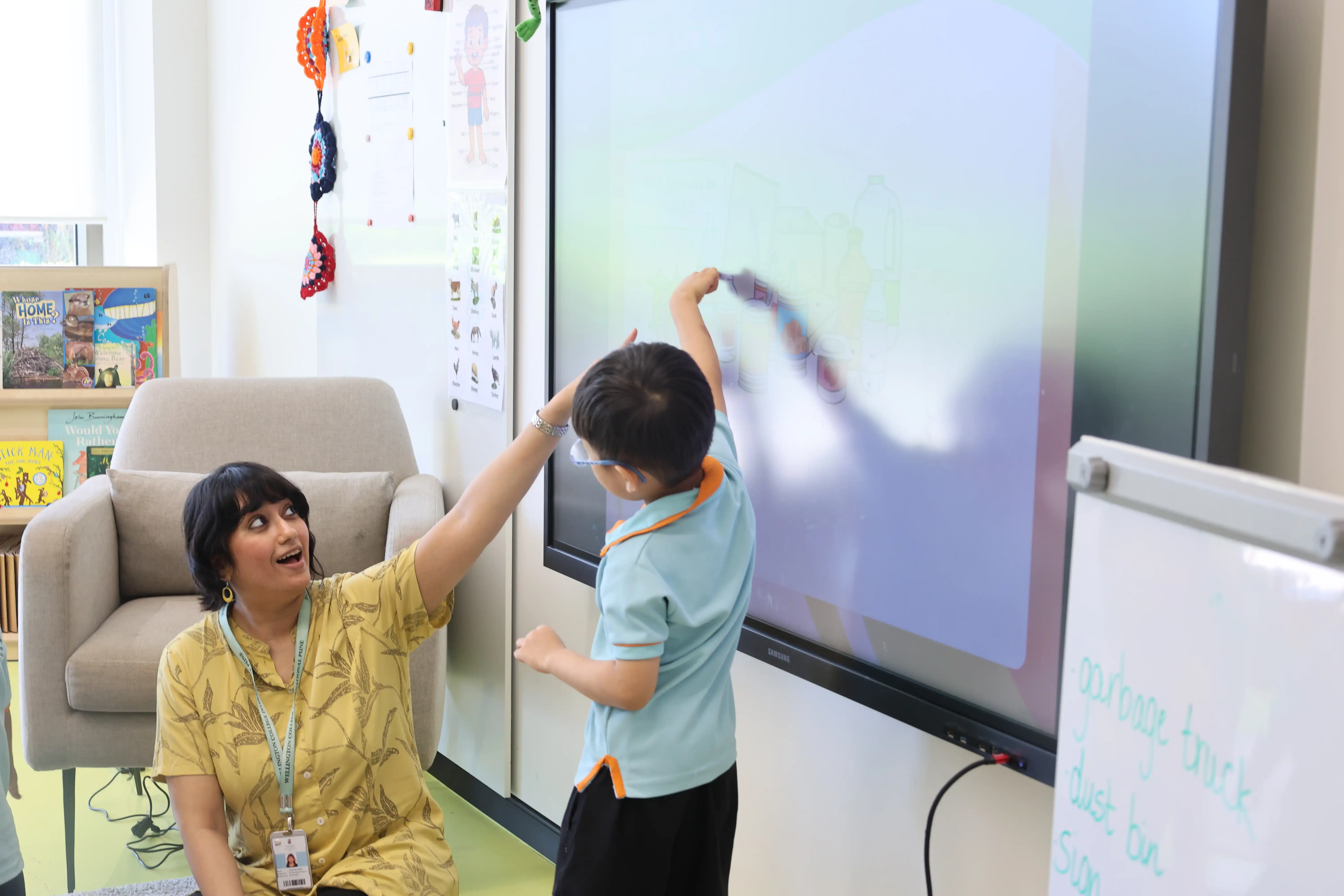
Creating Meaningful Early Learning Experiences
The most effective play experiences are rarely random.
Behind every well-designed activity is a thoughtful educational purpose.
At Wellington College, our approach to early learning combines exploration with intentional teaching. We create opportunities that encourage children to investigate ideas, ask questions, and build understanding through experience.
Sometimes that might involve storytelling. Sometimes outdoor discovery. Sometimes imaginative role play.
The activity may change. The goal remains consistent: helping children develop confidence, curiosity, and a genuine love of learning.
How Play Supports Communication and Language
One of the most visible benefits of play is language development.
They explain ideas. They negotiate rules. They ask questions. They describe what they are doing.
These interactions strengthen vocabulary and communication skills in ways that feel natural rather than forced.
Consider a group of children building a pretend restaurant.
Without realising it, they are learning to:
- Express ideas clearly
- Listen to others
- Take turns in conversation
- Solve disagreements
- Develop storytelling skills
These experiences form an important part of early years learning, supporting future success both academically and socially.
The Importance of Exploration in the Early Years
Children are naturally curious.
They want to know why leaves change colour, why shadows move, why water behaves differently from sand
Play gives them permission to investigate these questions.
This spirit of exploration sits at the heart of strong pathways early years programmes, where discovery is encouraged rather than rushed.
Rather than providing every answer immediately, educators create opportunities for children to observe, wonder, and investigate.
The result is often deeper engagement and stronger understanding.
Balancing Structure and Freedom
A common misconception is that play-based learning lacks structure. In reality, effective play-based education strikes a careful balance. Children need freedom to explore. They also benefit from guidance, encouragement, and thoughtfully planned experiences.
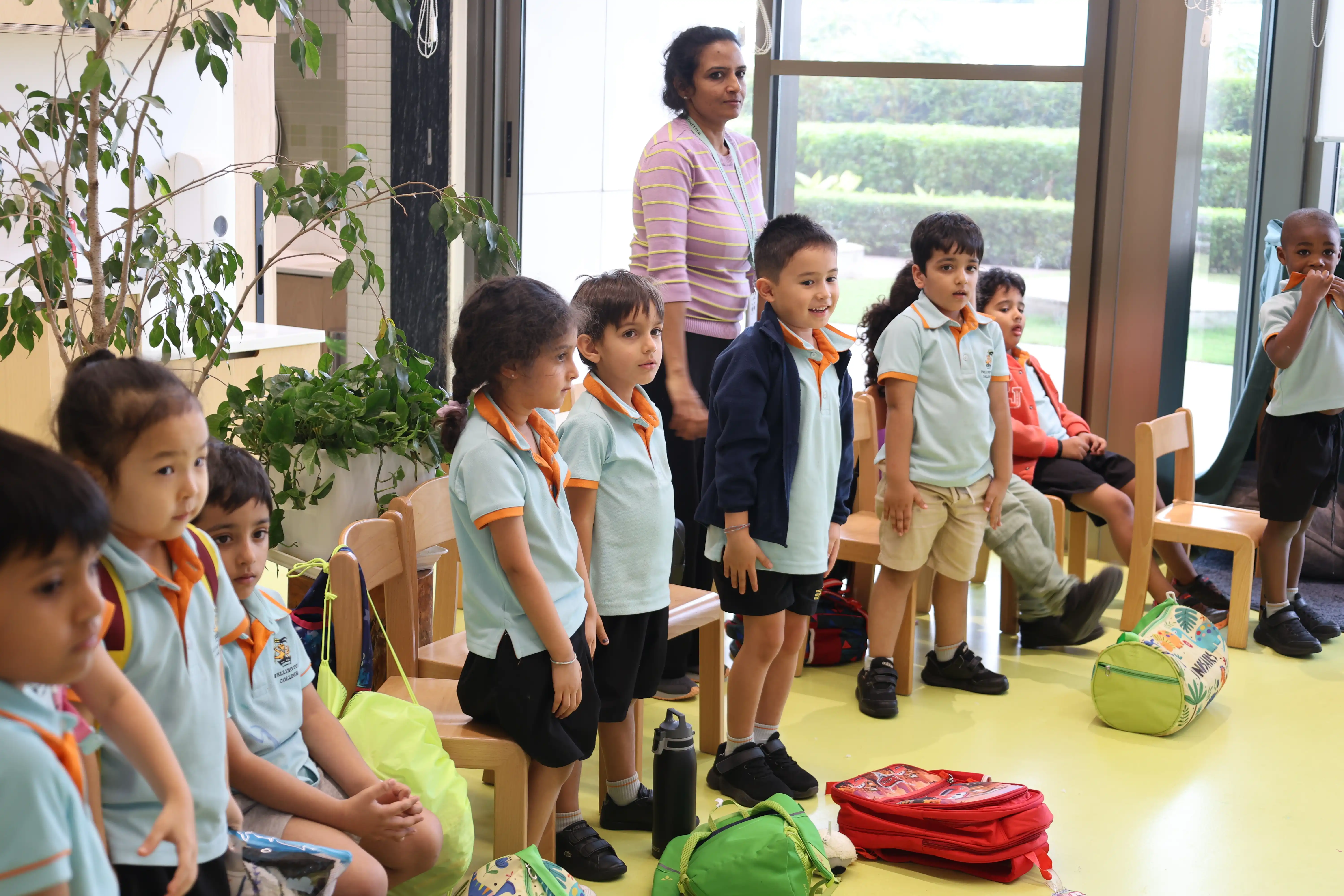
What Effective Play-Based Learning Looks Like
- Child-led exploration
- Teacher-guided opportunities
- Open-ended activities
- Social interaction
- Reflection and discussion
- Purposeful learning environments
This balance helps children develop independence while still benefiting from expert support.
Looking Beyond Academic Outcomes
When families visit schools, conversations often focus on future achievement.
Understandably so.
Parents want to know their children will be prepared for later stages of education.
What is sometimes overlooked is that many of the qualities associated with future success begin developing long before formal academics take centre stage.
- Creativity
- Adaptability
- Collaboration
- Confidence
These qualities are nurtured through meaningful play experiences.
At Wellington College, we believe these attributes deserve as much attention as academic milestones, particularly during the earliest stages of development.
Conclusion
The strongest foundations are often built in the simplest moments.
A conversation during role play. A question asked during outdoor exploration. A tower rebuilt after falling down for the third time.
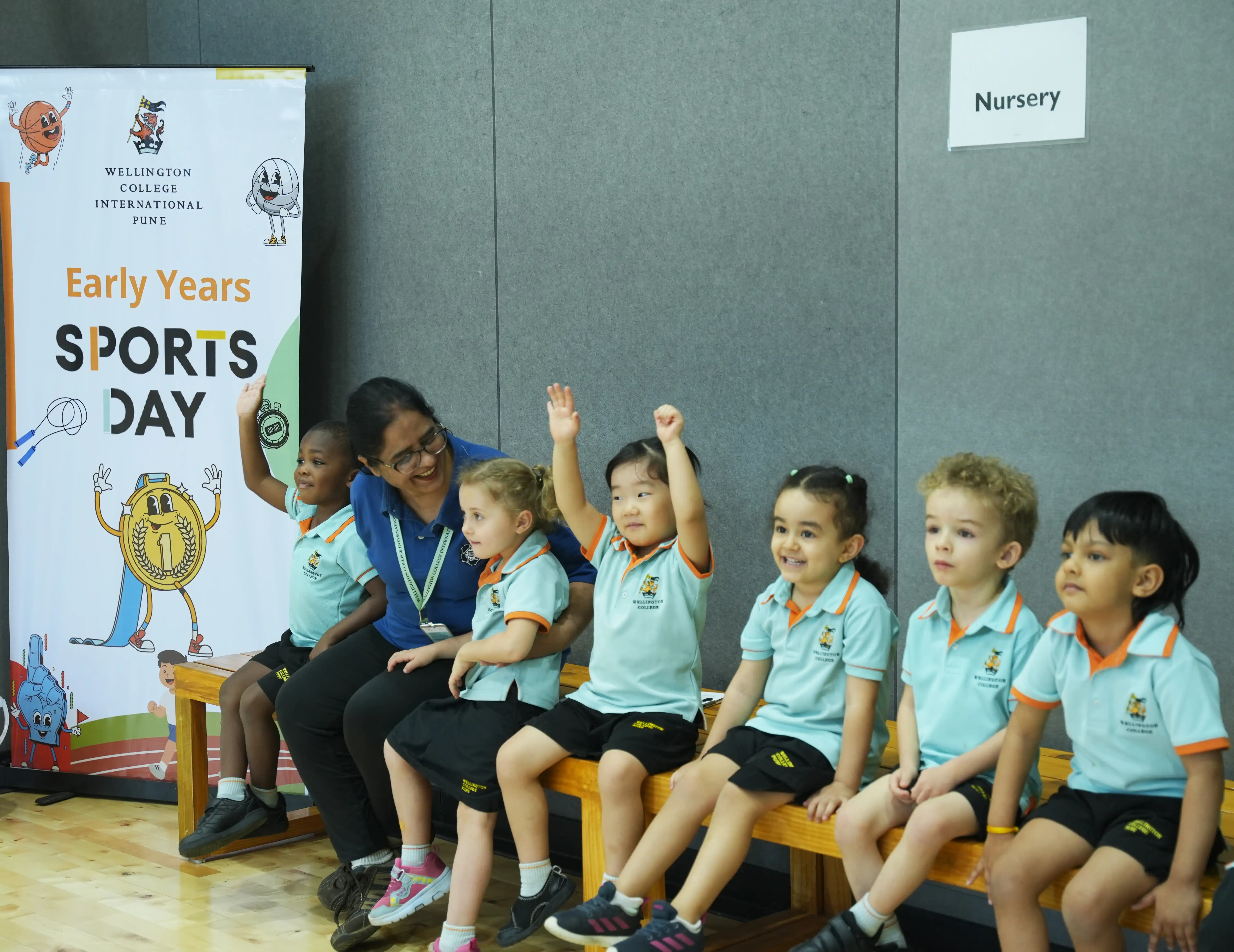
These experiences may seem small, but they contribute significantly to early years education and shape how children approach learning in the years ahead.
For families exploring educational options, including nursery schools in Pune, it is worth remembering that play is not separate from learning. It is one of the ways learning begins.
At Wellington College, we view play as an essential part of childhood and a powerful tool for helping young learners develop confidence, curiosity, and a lifelong enthusiasm for discovery.
FAQs
Why is play important in early childhood education?
Play allows children to learn through exploration and experience. It supports communication, problem-solving, creativity, and social development while helping young learners build confidence and curiosity in a natural and engaging way.
How do play-based activities support language development?
Through role play, storytelling, and group activities, children practise expressing ideas, listening to others, and expanding their vocabulary. These everyday interactions strengthen communication skills and help children become more confident speakers.
Can children develop academic skills through play?
Yes. Play-based activities often introduce early concepts in literacy, numeracy, science, and critical thinking. Children learn these skills through hands-on experiences, making understanding more meaningful and enjoyable.
What makes effective play-based learning different from free play?
Effective play-based learning combines child-led exploration with thoughtful guidance from educators. Activities are designed with clear developmental goals while still allowing children the freedom to investigate, create, and discover independently.
Also Read:
- Building A Scholarship-Ready Student Profile: A Guide For Parents And Children
- Pre Primary School Helps Children Develop Communication And Social Skills Early
More Useful Links:
International School In Pune | International Baccalaureate School | Best Nursery School