

 31 Jul 2026
How IGCSE Schools In Pune Can Prepare Students For A Smooth Transition To IBDP And A Levels
05 Aug 2026
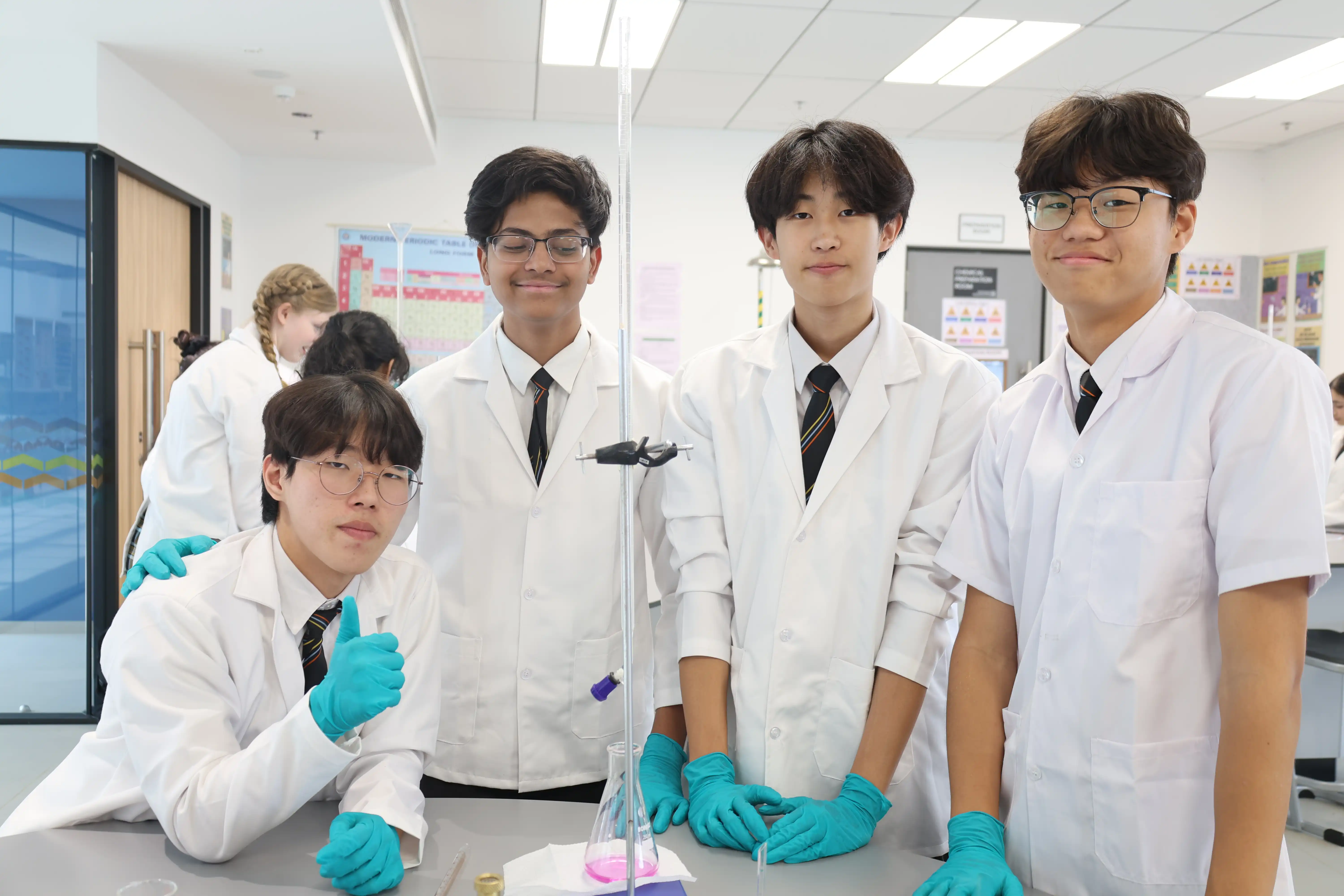
The transition itself is rarely what surprises students.
It is everything they imagine comes with it.
Will the academic expectations be very different? Will the subjects feel unfamiliar? Will everyone else be better prepared?
Parents hear these questions more often than they admit. Students usually keep them to themselves.
The good news is that moving from IGCSE to IBDP or A Levels is not about starting again. It is about building on a foundation that has already been laid. When students have spent their earlier years learning how to think, question, research, and communicate, the next academic step feels far less intimidating.
That is one reason families increasingly consider IGCSE schools in Pune while planning their child's long-term education. A strong IGCSE experience does more than prepare students for examinations. It gradually prepares them for the expectations that follow.
At Wellington College Pune, we often remind families that confidence does not appear overnight. It grows year after year through supportive teachers and opportunities to become independent learners. For parents exploring IGCSE schools in Pune, understanding that journey is often more valuable than comparing curriculum charts.
The Transition Begins Earlier Than Most Families Think
Many people assume students prepare for the IBDP or A Levels during the final months of IGCSE.
In reality, the process starts much earlier.
It begins the first time a student is encouraged to explain an answer instead of simply writing it down. It continues when they learn to question a source, work through a research task, or present an idea to classmates without reading directly from a page.
These experiences may seem ordinary at the time.
Looking back, they become building blocks of confidence.
A well-designed IGCSE curriculum introduces students to this style of learning gradually. Instead of expecting them to memorise information alone, it encourages them to understand concepts, evaluate evidence, and express their own viewpoints with clarity.
Those habits become incredibly valuable once academic expectations increase.
Strong Study Habits Lay The Foundation For Future Success
Parents sometimes ask which subjects become harder after IGCSE.
There is no simple answer because the biggest change is rarely the syllabus.
It is the way students approach learning.
By the time they enter the IBDP or A Levels, students are expected to manage longer assignments, plan research independently, and organise their time with greater responsibility. Those who already know how to break a project into smaller tasks usually adjust more comfortably.
Think of it like learning a musical instrument.
The performance may become more challenging over the years, but progress depends on practising the basics consistently.
Academic learning works much the same way.
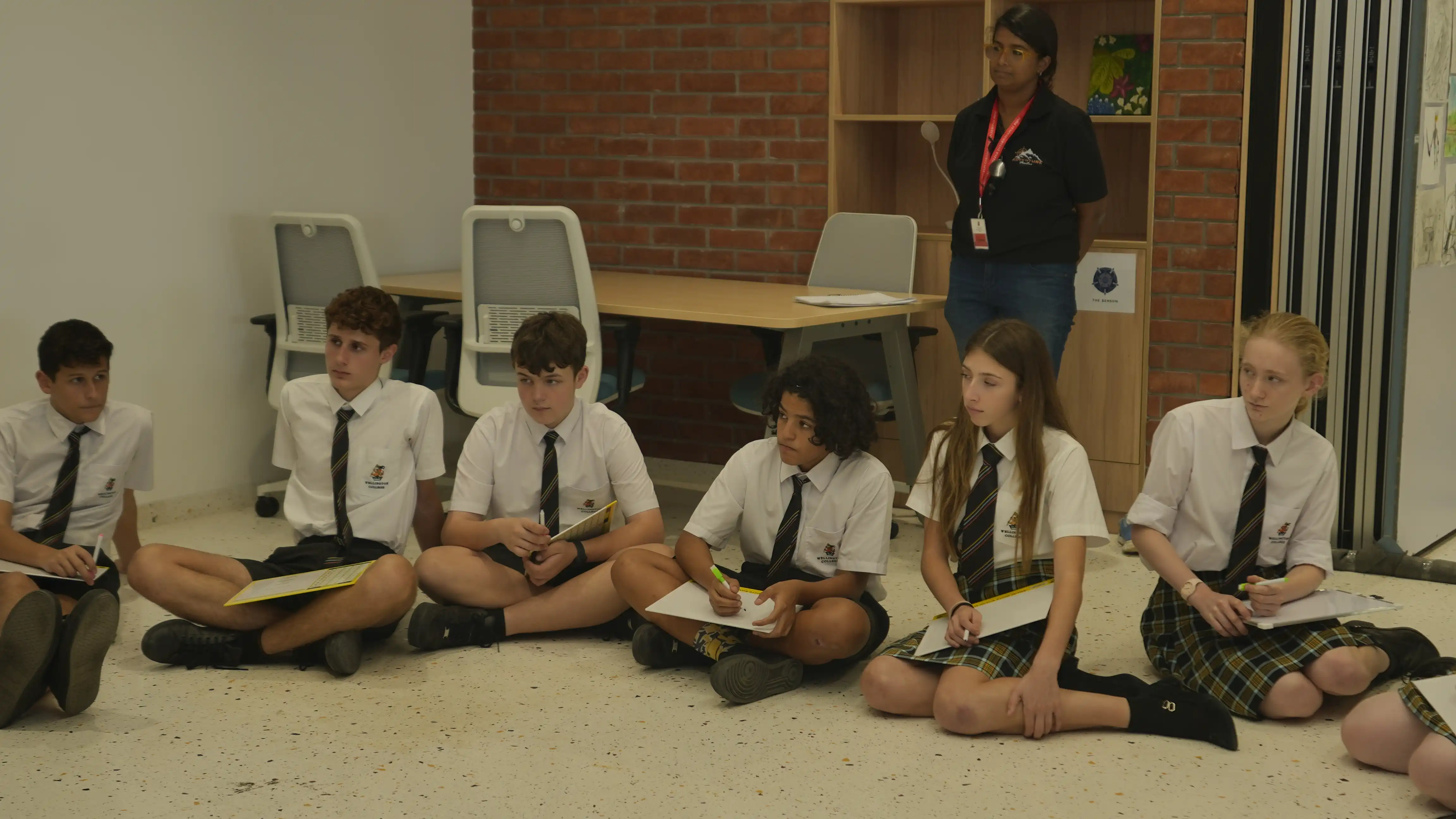
A Classroom That Encourages Questions Creates Confident Learners
Not every lesson needs to end with the right answer.
Sometimes the most valuable part of a class is the discussion that happens before anyone reaches one.
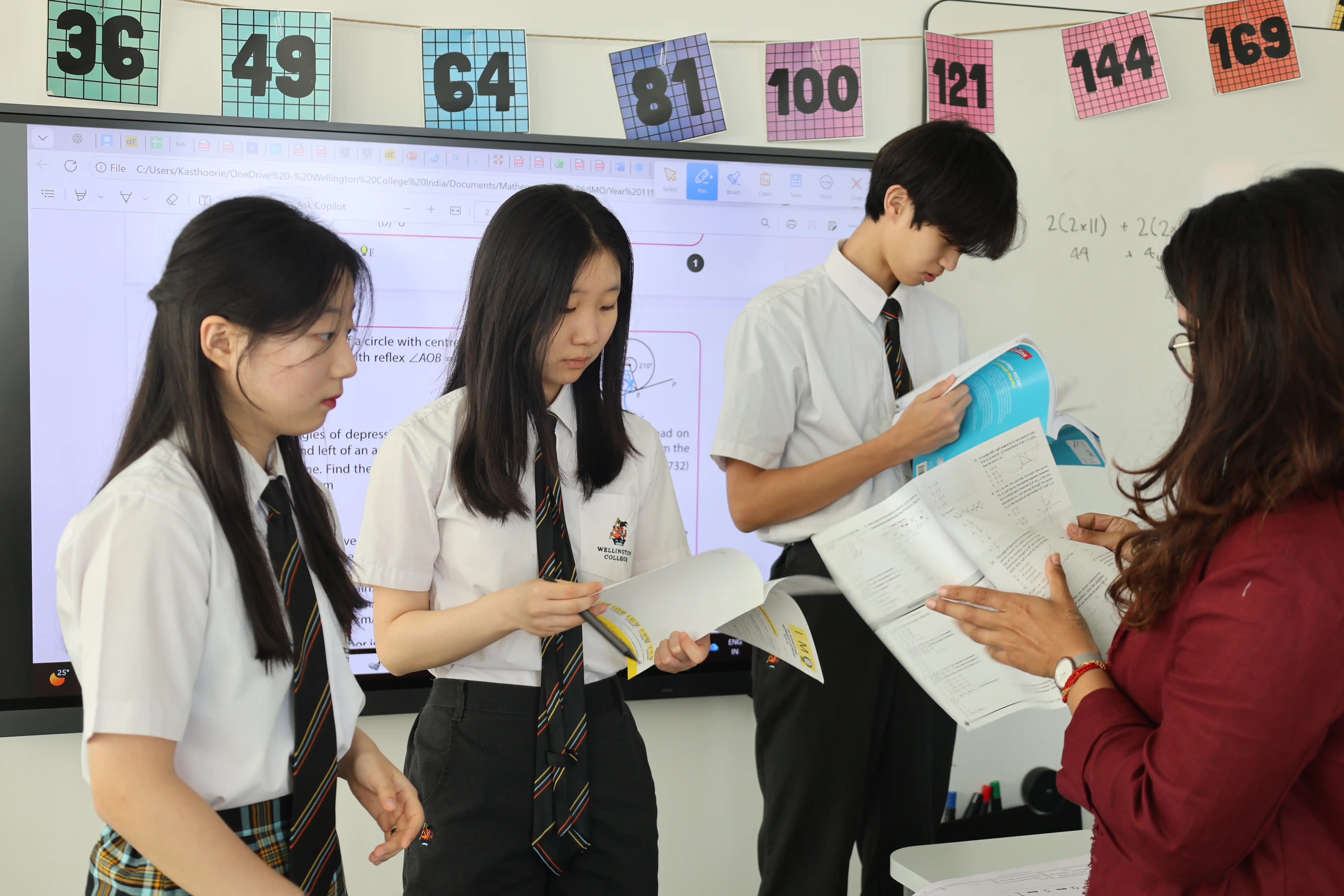
Students who become comfortable asking questions during their IGCSE years carry that confidence into senior secondary education. They are less hesitant to contribute during debates, defend an argument, or admit when they need clarification.
That willingness to participate can make a remarkable difference later.
The IGCSE curriculum naturally supports this by encouraging learners to explore ideas from different perspectives rather than accepting information at face value.
Over time, students stop worrying about giving the perfect answer. They begin focusing on understanding the problem itself.
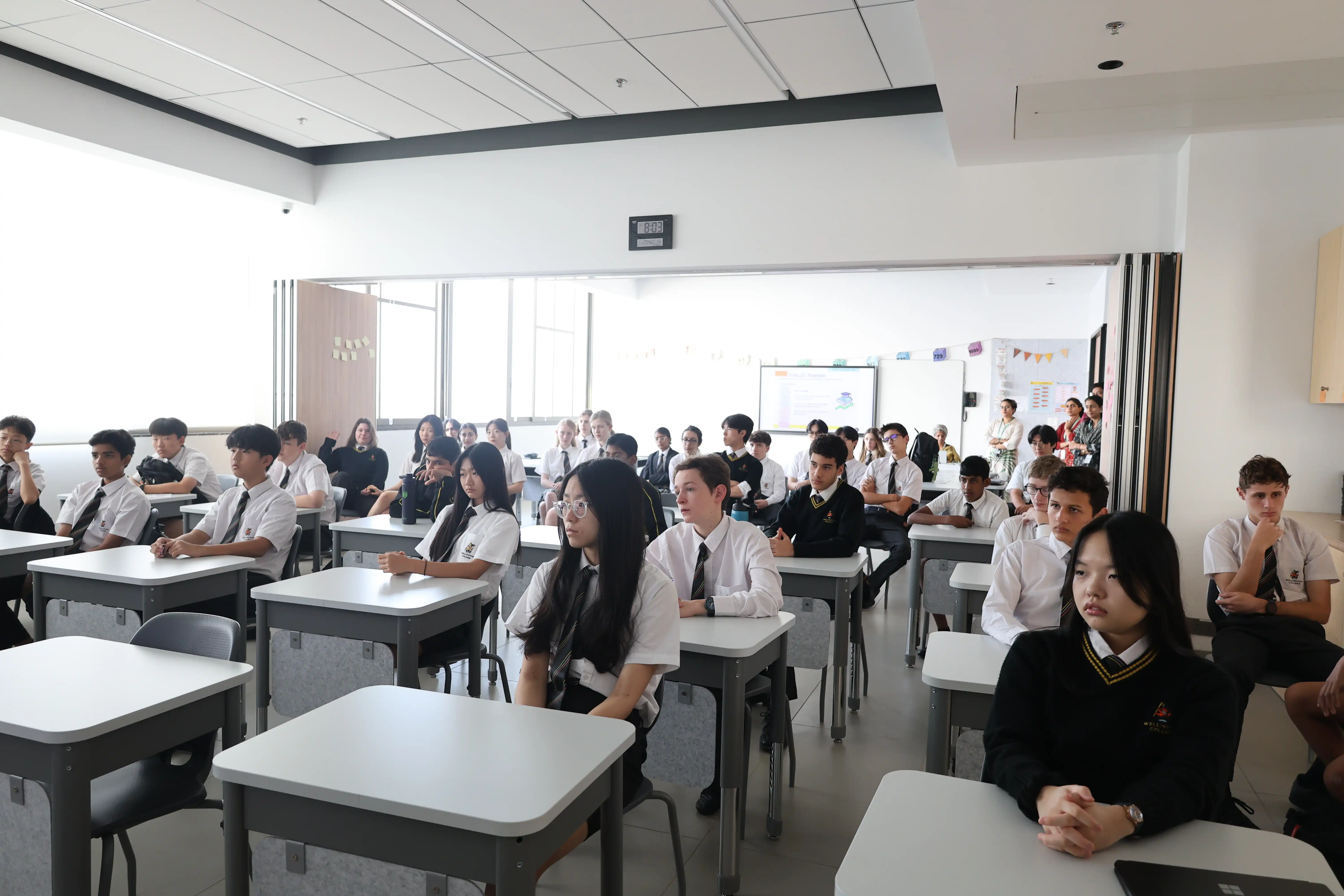
Learning Doesn't Happen Through Academics Alone
Academic readiness is important, but it is only one part of the picture.
Students also need communication skills, collaboration, resilience, and confidence to work with different people and different viewpoints.
Interestingly, these qualities begin developing much earlier than secondary school. The ability to express ideas clearly, listen to others, and work as part of a group is nurtured throughout a child's educational journey. Families interested in how these foundations develop may also enjoy reading about early communication and social skills, because many of those early experiences continue shaping confident learners years later.
By the time students reach IGCSE, these personal skills become just as important as academic knowledge.
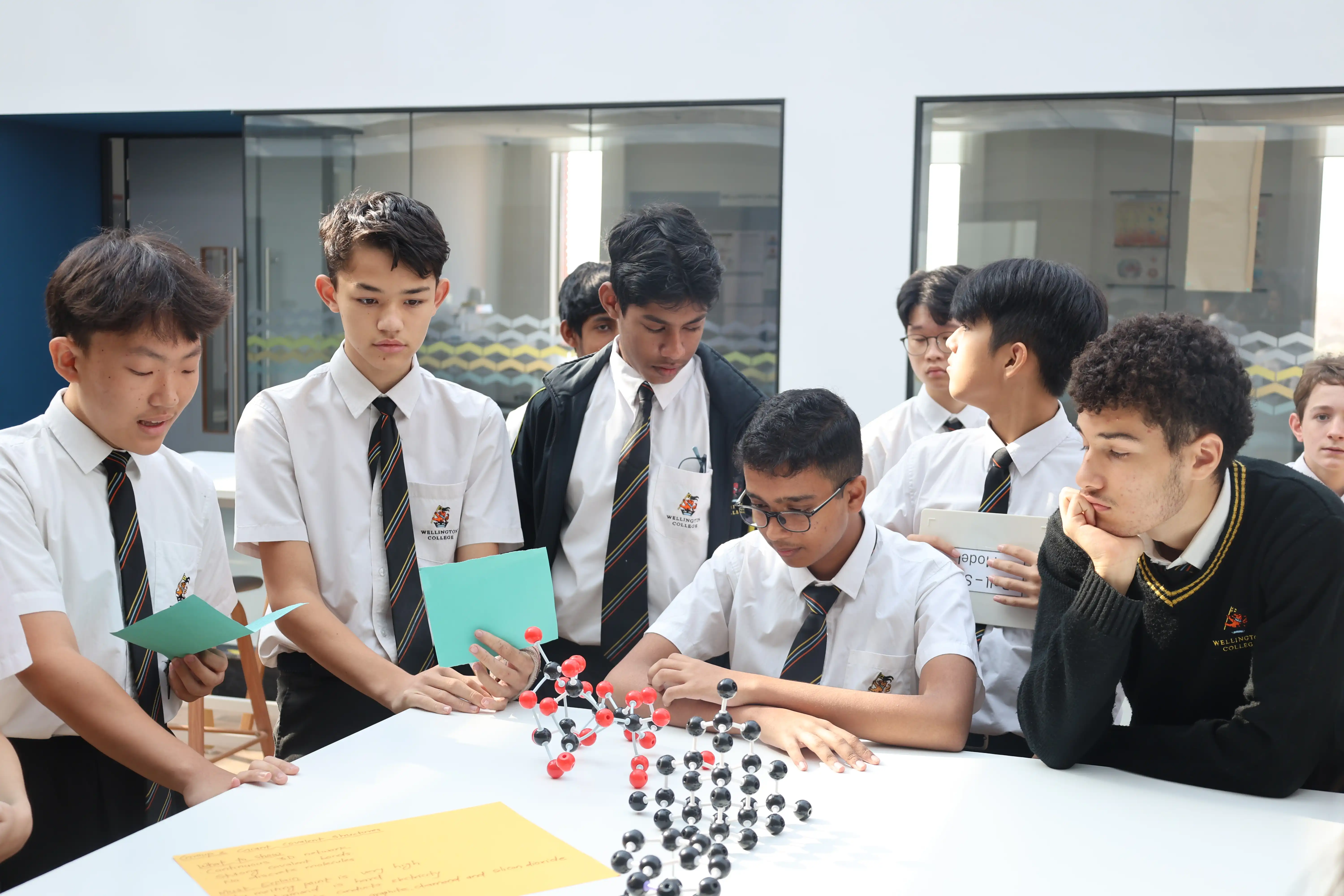
Parents Can Support The Transition Without Adding Pressure
One of the most helpful things parents can do is resist the urge to measure progress against someone else's child.
Transitions look different for everyone.
Some students settle into new routines within weeks. Others take a little longer before they feel fully comfortable. Neither experience predicts long-term success.
Instead of asking only about marks, families can ask different questions.
- What was the most interesting thing you learnt today?
- Which assignment challenged you the most?
- What did you discover about yourself this week?
Conversations like these shift the focus from performance to learning.
They also help students develop confidence that lasts beyond a single examination.
Preparing Students For More Than The Next Programme
At Wellington College Pune, we see the IGCSE years as preparation for much more than the next academic stage.
Yes, students develop the knowledge they need for the IBDP or A Levels.
More importantly, they develop the mindset.
They learn that thoughtful questions often matter as much as quick answers. They discover how to organise their work, collaborate respectfully, and approach unfamiliar challenges with curiosity instead of hesitation.
Those habits travel with them long after they leave the classroom.
The Journey Matters As Much As The Destination
Families often ask whether one curriculum guarantees success in the next.
The honest answer is no.
What makes the greatest difference is not the name of the curriculum but the learning experiences students have along the way.
For parents exploring IGCSE schools in Pune, it helps to think beyond the next examination or the next admission cycle. The years spent in school should gradually prepare students to think independently, communicate confidently, and adapt to new academic challenges with resilience.
At Wellington College Pune, we believe meaningful education is built step by step. Every discussion, every project, and every opportunity to think differently adds another layer to a student's growth. As families compare IGCSE schools in Pune, we encourage them to look for a school that develops capable learners rather than simply successful test-takers.
For those also exploring schools near Wagholi, we remain committed to creating an environment where students feel prepared not just for IBDP or A Levels, but for every opportunity that follows.
FAQs
How does the IGCSE prepare students for the IBDP and A Levels?
The IGCSE helps students develop strong academic habits through research, analytical thinking, problem-solving, and independent learning. These skills make it easier to adapt to the increased academic expectations, coursework, and critical thinking required in both the IBDP and A Levels.
Is the transition from IGCSE to IBDP or A Levels difficult?
Every student experiences the transition differently, but those who have built consistent study habits, time-management skills, and confidence in independent learning usually adjust more comfortably. A supportive school environment also plays an important role in making the transition smoother.
What should parents look for in an IGCSE school?
Parents should look beyond academic results and consider the school's teaching philosophy, classroom environment, opportunities for independent learning, teacher support, and overall student development. These factors contribute significantly to preparing students for future academic pathways.
Why are communication and research skills important before senior secondary education?
Communication and research skills enable students to express ideas clearly, evaluate information critically, collaborate effectively, and complete independent assignments with confidence. These abilities are essential for success in the IBDP, A Levels, university education, and future professional environments.
Also Read:
- Pre Primary School Helps Children Develop Communication And Social Skills Early
- How Play-Based Activities Strengthen Early Years Education For Young Children
- Questions Every Parent Should Ask Before Finalising Nursery Schools In Pune
More Useful Links:
International School In Pune | Best Nursery School | IB Diploma Programme