

 05 Aug 2026
Supporting the Mental Health and Wellbeing of Teenagers by Ms Sanjyot Hardikar
08 Jan 2026
Adolescence is one of the most delicate and complex phases of human development. Teenagers today are not just growing, they are growing inward. They stand at the intersection of inherited values and emerging identities, carrying emotional, behavioural, and belief systems shaped by family while slowly carving out their own inner architecture.
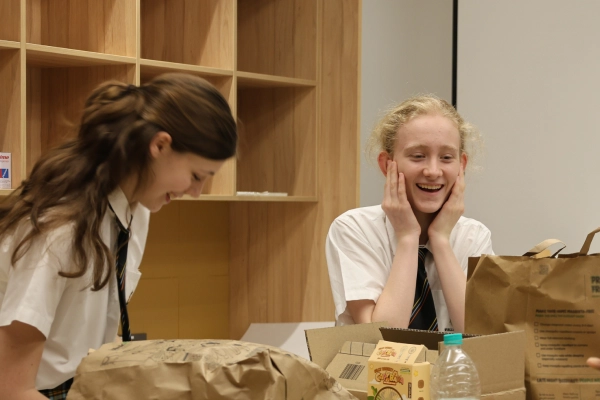
Between the ages of 10 and 17, young people begin asking some of life’s biggest questions. Who am I? What do I believe in? Where do I belong? Their curiosity stretches across domains religion and spirituality, money and success, gender and sexuality, morality, law, life and death. Some test internal boundaries quietly; others challenge social structures more visibly. This questioning is not rebellion, it is growth.
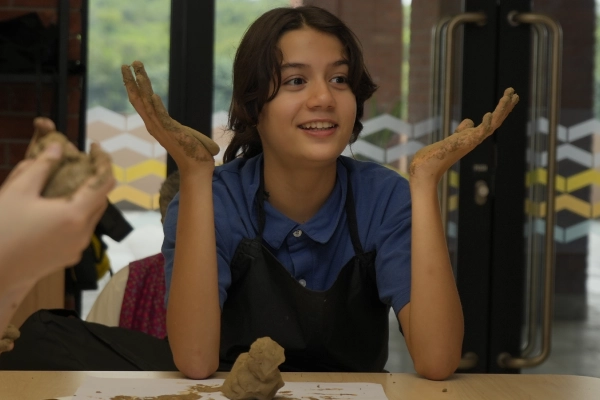
At the same time, their bodies begin to change rapidly, often feeling unfamiliar and uncontrollable. The journey toward complete ownership of one’s body, mind, emotions, and daily routines begins here. While many teenagers project an “I’ve got this” confidence, they are often navigating uncertainty, vulnerability, and self-doubt beneath the surface.
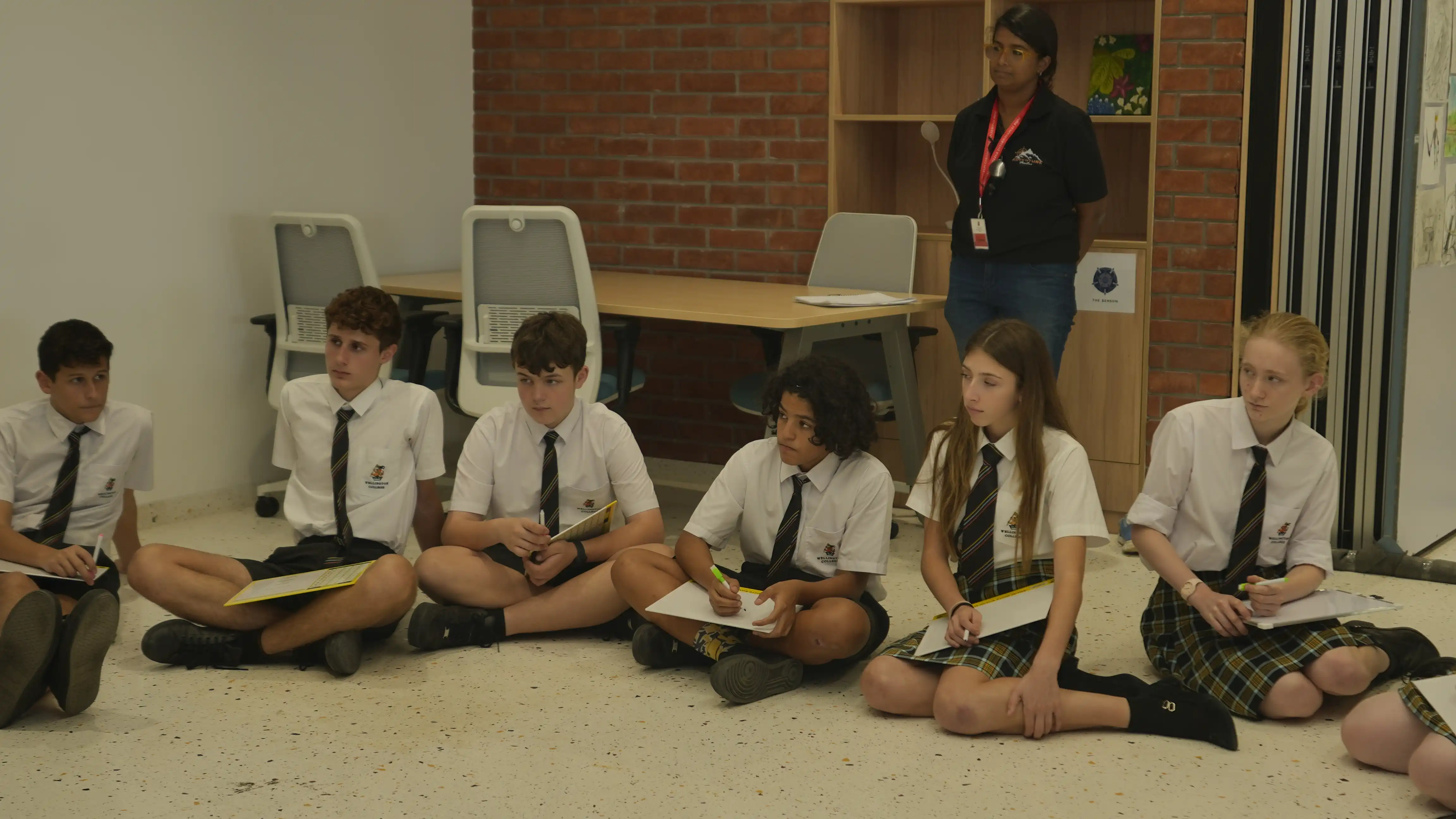
Ironically, this is the phase where they may need the largest servings of love, compassion, patience, and empathy. At Wellington College International Pune, pupil wellbeing is treated as a priority rather than an afterthought. The school follows a thoughtfully structured and well-coordinated system to support students’ emotional and psychological needs. Subject teachers, mentors, and pastoral leads work closely to ensure that pupils feel seen, heard, and supported in their everyday school life. Students are encouraged to express themselves openly, and mentors play a key role in being consistent, trusted adults who have the child’s best interests at heart.
Concerns, whether academic, emotional, or behavioural, are raised responsibly through formal channels. The MyConcern portal is used extensively to ensure that observations and red flags are documented and addressed in a timely, respectful, and confidential manner. Pastoral heads oversee these processes to ensure that appropriate follow-up and care take place. Students facing learning challenges are supported by the Learning Support and EAL teams.
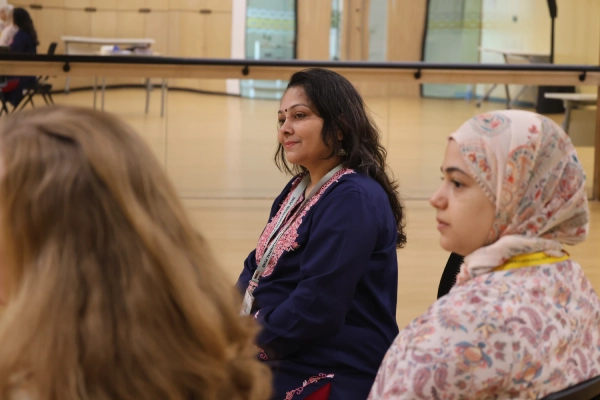
The focus here goes beyond academic performance the aim is to build confidence, promote adjustment, and strengthen a student’s sense of competence within the school environment. Matters related to safety are handled promptly by the safeguarding lead, ensuring that pupils are protected from experiences that could impact their overall wellbeing.
For pupils and families who continue to find emotional regulation or coping difficult, additional support is available through the school counselling service. Through individual and group counselling sessions, students are offered a safe, non-judgmental space to process emotions and develop healthier coping strategies.

Complementing this is the school’s wellbeing curriculum, delivered by the School Master, which provides structured opportunities for pupils to engage with topics such as personal space, kindness, responsibility, and self-awareness. These sessions allow students to question, reflect, and grow within a supportive framework.
Together, these layered systems create an environment where teenagers are not expected to have everything figured out but are supported as they gradually learn to.