


Drama - On Stage and Beyond by Ms. Pakhi Bajaj

22 May 2026
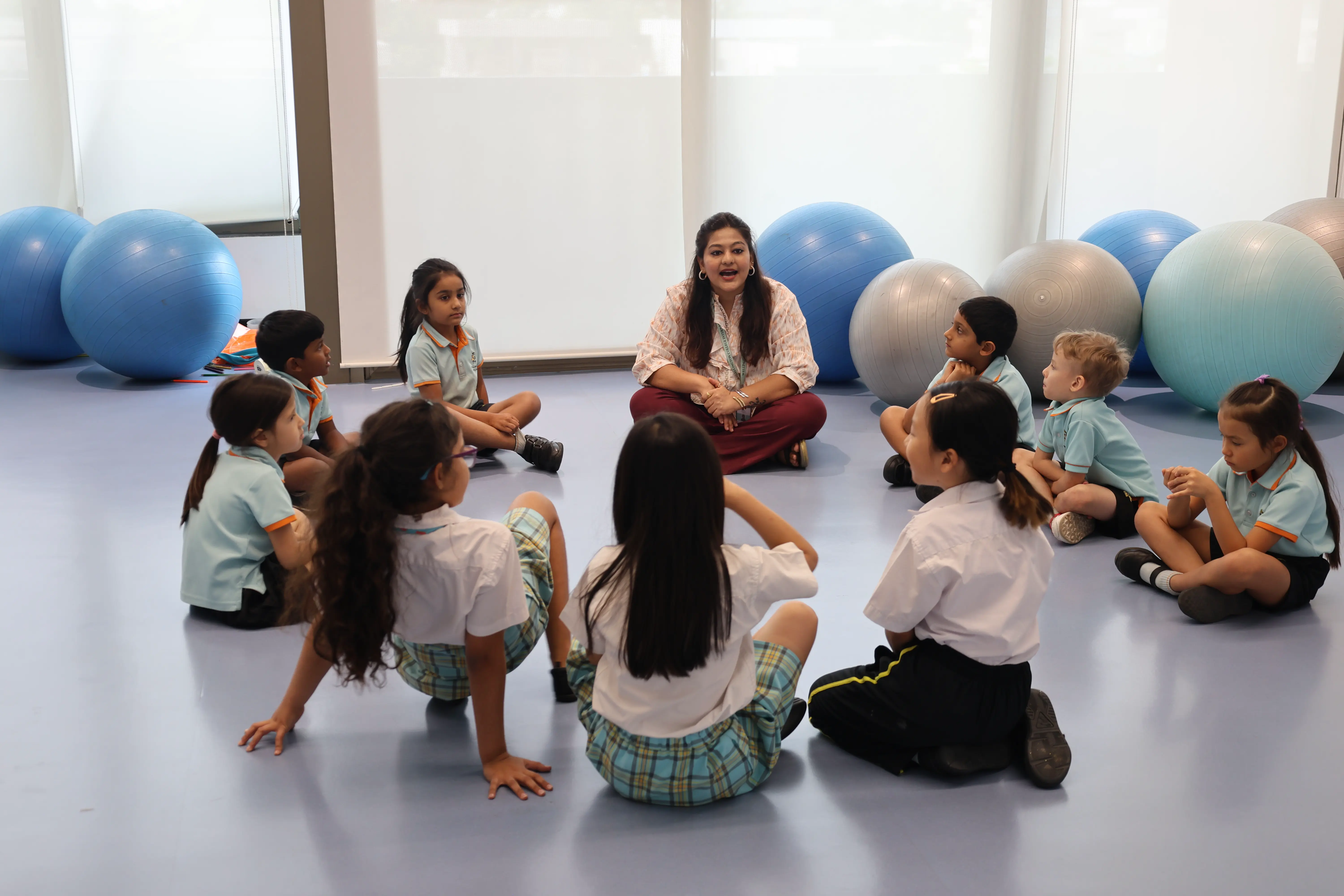
If you peek into one of our drama classes at WCI Pune, it might look like chaos at first. A 6 year-old is pretending to be a very dramatic tree in a storm, two 10-year-olds are arguing very seriously about whether a character should apologise, and a group of teenagers is rewriting an ending because “it doesn’t feel honest.”
And yet, in all of this, some of the most important learning is quietly taking place.
With our younger students, especially those between 6 and 8 years, everything begins with imagination. We might play a simple game where they become animals in a jungle or characters in a story. But even here, there is structure beneath the play.They learn to take turns, to listen, to notice others. We often see a child who starts off shouting over everyone slowly realise, “Oh, I have to wait… I have to respond.”That moment, when awareness begins, is where communication truly starts.
With 9 to 11-year-olds, the energy shifts. They want to express opinions, to be heard, to be right. So we lean into that. We might give them a situation, two friends disagreeing or a team deciding what to do, and suddenly we are not just acting anymore. We are negotiating, questioning, building ideas together. We have watched students move from “No, my idea is better” to “Okay… what if we combine both?” That is conflict management in its most natural form, learned not through instruction, but through experience.
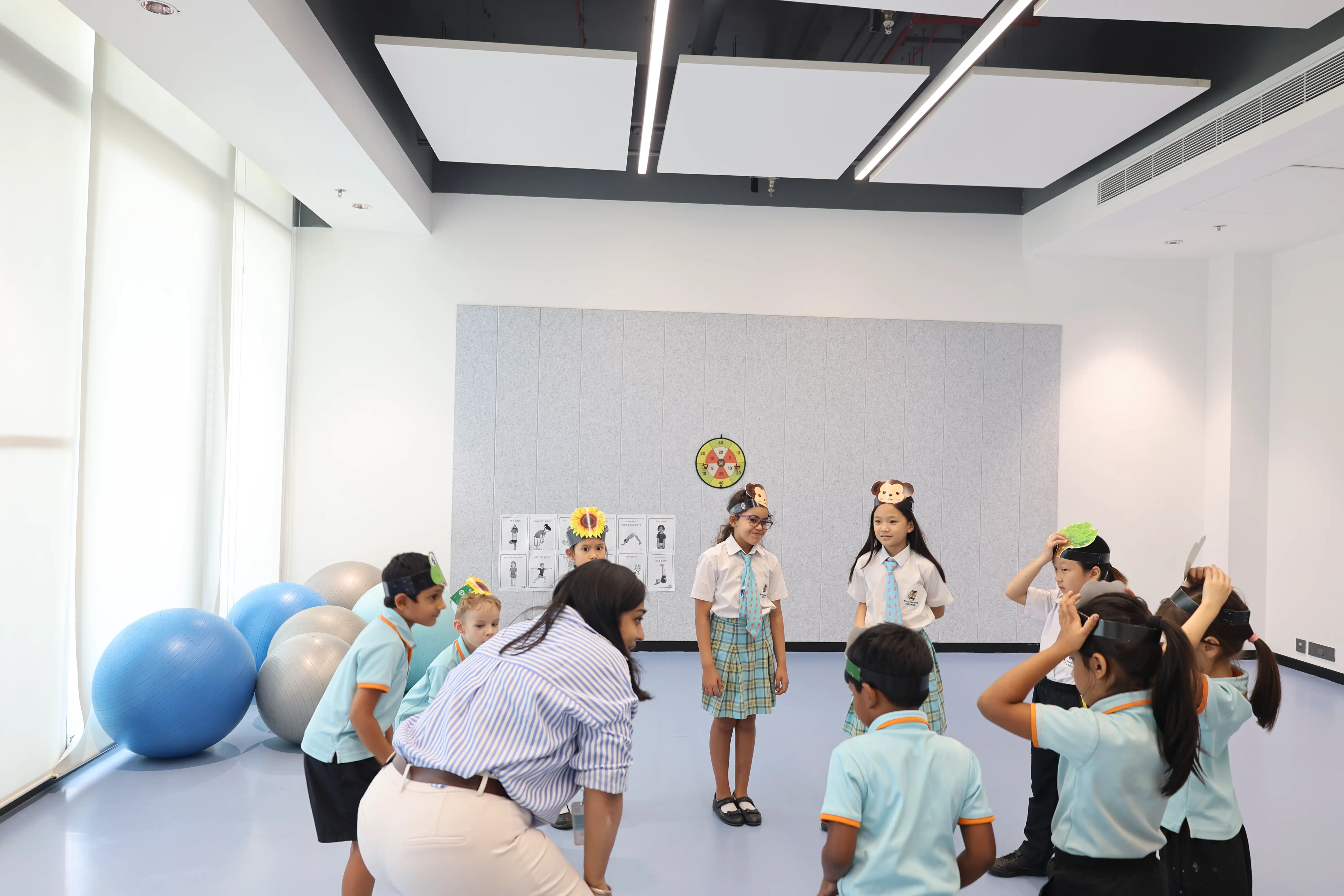
And then come the 12 to 15-year-olds, who bring depth. They question everything and we welcome that. When we work on scenes or scripts, they do not settle for surface-level answers. They ask why a character feels a certain way, whether something is fair, what they themselves would do. One group recently changed an entire scene because they felt the original reaction was not emotionally truthful. That process of questioning, analysing and reshaping is critical thinking at its best.
What ties all these age groups together is something deeper, trust and interdependence.
In a rehearsal, especially when we are preparing for a performance, our students quickly understand that they cannot do this alone. If one person forgets a cue, the entire scene shifts. If one person does not listen, the moment falls flat. So they start watching out for each other. They remind, support and adjust. A quiet kind of teamwork develops, not forced or assigned, but necessary.
And somewhere along the way, something changes internally too. A child who was hesitant to speak begins to take space. A student who always wanted control learns to let go. A group that struggled to work together starts creating something they are genuinely proud of.
This is why we often say drama is not about the stage. The stage is just the visible outcome. The real work is everything that happens before, the thinking, the failing, the trying again, the understanding of self and others.
In a world that is rapidly moving towards AI and automation, this human layer becomes even more important. Information is everywhere. But the ability to interpret, to empathise, to collaborate and to adapt in real time cannot be replaced in the same way. And that is exactly what drama builds.
At WCI Pune, when we talk about creativity beyond the classroom, it is not just about putting up a good show. It is about giving our students a space to explore who they are, how they think and how they connect with others.
Because long after they have forgotten their lines, they do not forget what they learn about being human.
